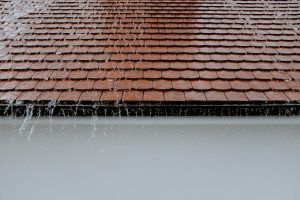

Relocating to a snowy region brings about unique considerations, especially when it comes to ensuring that your new home is well-suited for winter’s challenges. One of the most critical aspects to understand is your roof’s load-bearing capacity and overall durability. Roofs in snowy areas face more strain and stress than roofs in milder climates, and preparing for the load they will bear can protect your home and peace of mind. Whether you’re moving from a sunny locale or already familiar with snow, learning about roof load and durability is essential.
New to the Snowy Reagion?
For those relocating from areas with milder climates, adjusting to a snowy region requires thoughtful preparation. Roofs in warmer areas may not be built to handle heavy snow loads, so having a roof inspection is crucial when transitioning to a colder climate. This is especially relevant if you’re making an easy move between states, like moving from St. Louis to Colorado, where a winter-ready roof is essential. By hiring experienced long-distance movers, you can focus on preparing your home for winter while professionals manage the logistics of the move. And one of the most important areas you need to focus on is the roof, especially the load that can accumulate on it.
Understanding Roof Load: Why It Matters
Roof load refers to the amount of weight a roof can safely hold, which is particularly relevant in snowy regions. Snow accumulation can weigh down a roof, putting stress on its structure and materials. This load varies based on factors like the type of snow, temperature fluctuations, and wind patterns. In general, a roof’s load-bearing capacity must meet regional building codes, but knowing your roof’s specific load capacity can prevent issues before they arise.
Types of Roof Load: Snow, Ice, and Wind
In snowy climates, the main concern is the snow load, which refers to the weight of snow accumulation. However, it’s also important not to overlook the impact of ice and wind load. Ice can form when snow melts and refreezes, adding considerable weight and causing potential roof damage. Wind load, especially in mountainous, snowy areas, can add additional strain to the roof, particularly if the wind pushes snow into drifts that concentrate weight in certain areas.
Different Roof Designs and Their Effect on Snow Load
The design of your roof plays a significant role in its durability and load capacity. Steep roofs, for example, allow snow to slide off more easily, reducing the risk of heavy accumulation. Flat roofs, however, are more susceptible to holding snow, and you’ll need to ensure they have adequate drainage and structural support. When relocating to a snowy region, it’s worth consulting a roofing expert who can assess your roof’s design and advise on any necessary modifications.
Choosing Durable Roofing Materials for Snowy Conditions
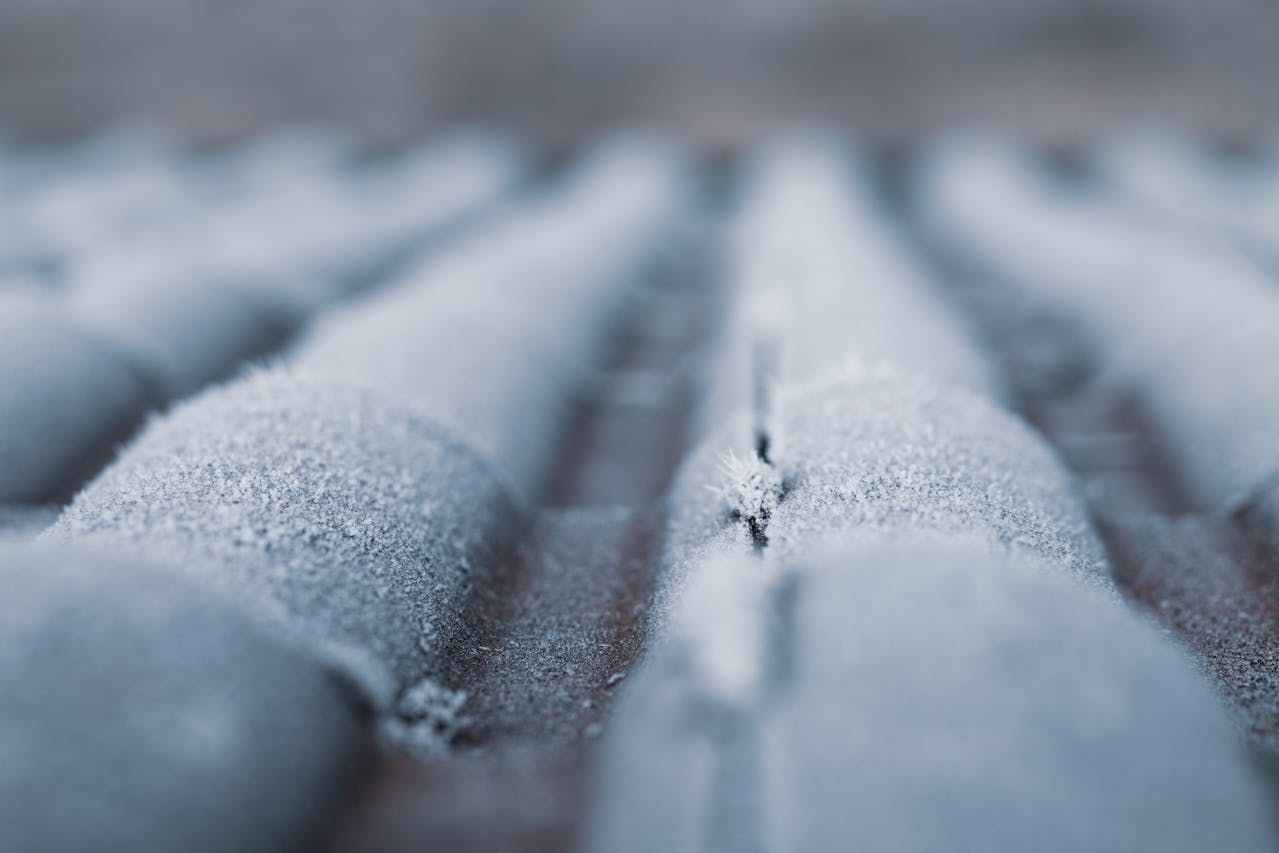
The materials used for your roof significantly affect its durability under heavy snow. Metal roofing is a popular choice for snowy regions, as it’s durable, sheds snow well, and requires minimal maintenance. Asphalt shingles, commonly found in residential homes, can also perform well if installed correctly and reinforced for heavy loads. Other materials like slate and tile are strong but may require additional reinforcement, as they can be heavy and add to the overall load themselves.
Assessing Your Roof’s Current Condition Before Winter
Before the first snowfall, inspect your roof’s current condition. Roofs already showing signs of wear—such as cracks, loose shingles, or signs of water damage—are more vulnerable to heavy snow. Make sure to address any repair needs before winter, focusing on weak spots and ensuring your roof is watertight. Small issues can quickly become major problems under the weight of snow, so a proactive approach will help keep your home safe.
Importance of Roof Insulation and Ventilation in Snowy Climates
In snowy regions, roof insulation and ventilation are essential for preventing ice dams, which occur when snow melts and refreezes along the edges of the roof. Proper insulation keeps the attic and roof cold, preventing snow from melting too quickly. Adequate ventilation, in turn, helps control attic temperatures, reducing the chance of ice buildup. These systems work together to maintain a stable roof structure, preventing weight imbalances and ensuring snow can melt evenly.
Reinforcing Your Roof for Extra Protection
If you’re moving to a particularly snowy region, you may want to consider reinforcing your roof for added durability. Structural reinforcements, such as adding support beams, can enhance your roof’s ability to carry additional weight. In addition to reinforcing the structure, investing in high-quality roofing materials and sealants can help make your roof more resilient. Consulting a professional before winter arrives is a smart move to ensure your roof is prepared for the conditions ahead.
Planning for Snow Removal to Avoid Roof Overloading
Even with a well-built roof, excessive snow accumulation can still become problematic. Snow removal from the roof, done carefully, can prevent overloading and prolong the life of your roof. Some people use roof rakes or hire professionals to clear snow after heavy storms, ensuring that the weight doesn’t exceed what the roof can bear. This proactive approach is particularly beneficial in regions where snow tends to accumulate for long periods.

Considering Storage for Seasonal Items and Supplies
Living in a snowy region often means dealing with seasonal items, from snowblowers to outdoor furniture, that need to be stored during winter. Moving these items into storage can free up space in your home and reduce clutter, which is especially useful when preparing for winter weather. When relocating, consider looking into local storage options that can keep your belongings secure and accessible. Working with Dielman Moving & Storage ensures that your seasonal items are safely stored and easily accessible, providing you with peace of mind as winter approaches.
Preparing for Roof Maintenance and Snowy Season Challenges
Regular maintenance is key to ensuring your roof can withstand snowy conditions year after year. Maintenance tasks might include clearing gutters, checking for leaks, and performing roof inspections every fall. Winter can be hard on roofs, so preparing a maintenance routine will help you identify any emerging issues early. Additionally, winter maintenance doesn’t end once the snow falls. Watching for signs of sagging or leaks during winter can help you address problems before they become costly.
Final Thoughts on Roof Load and Durability in Snowy Regions
Understanding roof load and durability is essential for anyone relocating to a snowy region. Snow, ice, and wind can present unique challenges, but with the right roof design, materials, and maintenance, your home can stay safe and resilient through winter’s harshest conditions. Make sure to take proactive steps by reinforcing your roof, planning for snow removal, and storing seasonal items to ease the winter burden on your property. With some preparation, you can enjoy your new home without worry, knowing that your roof is ready for whatever winter brings.