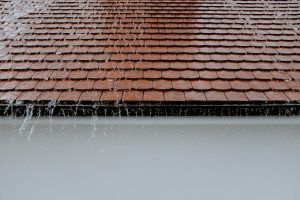

Roof pitch influences your home’s aesthetics and plays a pivotal role in its functionality and durability. Therefore, understanding roof pitch unlocks the key to proper drainage, climate adaptation, and structural integrity. Whether you’re a homeowner or a builder, exploring the intricacies of this home feature is the first step toward making better home design choices.
What is roof pitch?
Roof pitch, in simple terms, refers to the steepness or slope of a roof. It’s crucial to understand that it isn’t just an aesthetic consideration, as it plays a pivotal role in the overall performance of your home. The angle determines how water and snow will run off, impacting the drainage system and preventing potential leaks and structural damage. As such, optimal roofing maintenance relies on understanding roof pitch.
Types of pitches
Flat roofs and their characteristics
Flat roofs are popular for modern buildings due to their sleek appearance and cost-effectiveness. They have a nearly horizontal surface, typically with a slight slope for water drainage. One key characteristic is their accessibility, making them ideal for gardens, solar panels, or outdoor living spaces. However, they require proper drainage systems to prevent water pooling, a common issue. Also, they are more prone to leaks and may require regular maintenance to ensure their durability. It’s also important to select high-quality materials and consult with professionals to design an effective and long-lasting flat roof.
Low-slope roofs and their applications
Low-slope roofs have various applications across commercial, industrial, and residential settings. They feature a gentle incline, typically 1/4 to 2 inches per foot. That makes them suitable for large buildings, shopping centers, and apartment complexes. One of their primary advantages is cost-effectiveness, as they require fewer materials than stepper options. They also offer ample space for HVAC units, making them popular for commercial properties. However, proper drainage is critical to avoid water accumulation, and regular maintenance is necessary to prevent leaks and ensure longevity.
Steep-slope roofs and their benefits
Steep-slope roofs, characterized by their significant pitch, offer a range of benefits for homeowners and builders. Often featuring slopes of 4/12 or greater, they are known for their excellent water-shedding capabilities. Logically, this makes them ideal for regions with heavy rainfall or snowfall. Especially since the steeper angle also facilitates efficient snow removal. Moreover, they even provide more attic space, offering additional storage or potential living areas. They enhance curb appeal, too, adding a timeless and classic look to homes. Ventilation is often more effective in them as well, helping regulate indoor temperatures and prolonging the life of building materials. While they initially require more materials and labor, their benefits, including durability, aesthetic appeal, and energy efficiency, make them popular.
Factors influencing pitch
First and foremost, local climate considerations are paramount. Regions with heavy rainfall or snowfall may necessitate steeper inclines to facilitate efficient water and snow runoff. Material compatibility is another crucial factor, as some materials work better with specific slopes. Architectural design and aesthetics also influence the choice. For instance, certain styles may benefit from a steeper or shallower slope to achieve the desired look. In addition, local building codes and regulations often dictate minimum pitch requirements for safety and structural integrity. Therefore, when deciding, it’s essential to consider the climate, materials, architectural preferences, and local regulations.
Pitch and water drainage
Pitch plays a critical role in efficiently draining rainwater and melted snow. Water flows away from your home’s surface when correctly set, preventing pooling and potential leaks. That is particularly crucial in regions with heavy precipitation. However, an inadequate slope can lead to water drainage inefficiencies, potentially causing water to collect and seep through. As such, if you notice any water drainage inefficiencies, Helix Transfer & Storage Maryland recommends getting your belongings out of the affected rooms and transporting them into storage until you fix the problem. Proper pitch ensures water flows smoothly into gutters and downspouts, safeguarding your home from costly water damage.
Calculating pitch for drainage
Calculating the pitch for effective drainage is crucial in ensuring it performs as it should. One simple method is to use the “1/4-inch per foot” rule, which means the slope should rise by a quarter of an inch vertically for every horizontal foot. This rule offers a quick estimate for moderate climates with occasional rainfall. However, advanced methods involving trigonometry and measurements are necessary for precise drainage calculations. Roofing software and tools are also available to make this task more accessible.
Pitch and roofing materials
Roof pitch and the choice of materials are intertwined factors significantly impacting your home’s overall performance and durability. Also, making the right choice can even be crucial for storm-proofing your roof. Steep-slope homes with pitches typically exceeding 4/12 are well-suited for asphalt shingles, metal, or tile, providing efficient water runoff and robust resistance against severe weather conditions. On the other hand, low-slope or flat homes often require specialized materials like BUR, modified bitumen, or single-ply membranes to ensure a watertight seal and durability. Proper material selection should consider climate, maintenance requirements, and aesthetic preferences. Moreover, consulting with professionals can help you make an optimal choice tailored to your needs.
Pitch and energy efficiency
The relationship between pitch and energy efficiency is more significant than you might think. The roof’s pitch can affect how your home retains heat in winter and cools in summer. Steep-slope homes have better attic ventilation, helping to reduce heat buildup and lowering cooling costs during hot months. A steeper pitch may also shed snow more efficiently in colder climates, reducing the risk of ice dams and subsequent heat loss. Conversely, low-slope or flat homes might offer advantages for solar panel installation, maximizing sun exposure for energy generation. By understanding this and how it influences energy efficiency, you can make choices to improve your home’s sustainability and reduce energy bills. It would also allow you to adapt your roofing to all seasons and create a more comfortable, eco-friendly living space while saving energy costs!
Final thoughts on understanding roof pitch
The importance of understanding roof pitch is obvious. It’s what holds drainage, climate suitability, and so much more together. So, as you work to protect your home, remember that mastering pitch is the cornerstone of both aesthetics and long-term longevity.