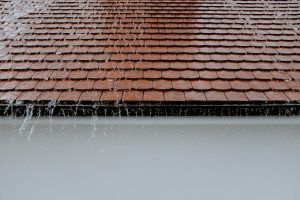

When you think about building a home, the well-being of your roof should be at the top of your list. Not just a cap on top of the walls, roofing plays a vital role in safeguarding your home from the weather, enhancing its energy efficiency, and defining its overall appeal. In fact, choosing the right roofing materials and design can dramatically affect both the durability and performance of your house. Remember, roofing in building a house isn’t just a final touch; it’s a critical investment in the safety and comfort of your future home.
Fundamentals of Roofing
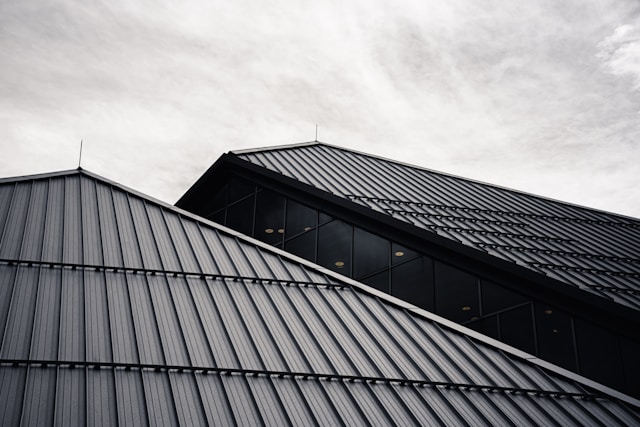
Understanding the basics of roofing is crucial for any homeowner. Roofs can be made from materials such as asphalt shingles, metal, clay tiles, and even newer, eco-friendly options like recycled rubber. Each material comes with its own set of benefits and considerations. For instance, asphalt shingles are prized for their cost-effectiveness and versatility. Still, metal roofs are known for their durability and energy efficiency, often lasting 50 years or more with minimal maintenance.
The structure of your roof is equally important. The framing, typically made of heavy timber or steel, supports the sheathing and roofing material. Correctly designed trusses support the weight and define the shape of your roof, influencing both the interior space of your attic and the exterior aesthetic of your home.
Roofing and Energy Efficiency
A well-constructed roof contributes significantly to a home’s energy efficiency. The color and material of your roof can reflect or absorb heat, making a substantial difference in your heating and cooling costs. Light-colored or “cool” roofs reflect more sunlight and absorb less heat than traditional dark-colored roofs, which can reduce air conditioning needs.
Furthermore, proper roofing goes beyond just the outer materials—it includes good insulation and adequate ventilation. Insulation helps to regulate the temperature inside your home, reducing the need for excessive heating or cooling. Adequate ventilation, on the other hand, helps to control moisture, preventing issues such as mold and mildew. These elements work together to reduce the exchange of heat and control moisture, ultimately enhancing the overall energy efficiency and comfort of your home. This is crucial in both cold and hot climates, as it prevents ice damming in winter and reduces heat buildup in summer.
Aesthetic and Architectural Impact
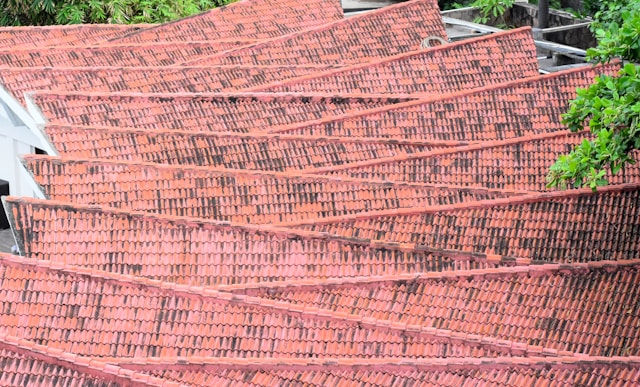
The appearance of your roof can transform the look of your entire home. Roof design and material should complement the architectural style of your house—whether it’s a sleek, modern design using metal panels or a classic look with traditional shingles or tiles. For example, a Spanish-style home might feature red clay tiles, while a cottage might look best with wooden shakes.
The roof shapes, from simple gabled roofs to more complex mansard or hip roofs, also add to the architectural character. Not only does the roof impact the exterior appeal, it can influence the interior ambiance of your home through features like skylights or higher ceilings. In essence, maximizing roof longevity isn’t just about durability; it’s about choosing a style and material that enhances your home’s overall design and functionality.
Durability and Maintenance of Roofing Materials
Understanding how different roofing materials age and perform is vital when you’re planning for the long-term maintenance of your home. For instance, metal roofs might be more costly upfront, but they can last over 50 years with minimal care. On the other hand, traditional asphalt shingles are less expensive but typically need to be replaced every 20 to 30 years.
Here’s what you should know about maintaining different types of roofs:
- Metal Roofs: Check for any signs of rust or corrosion annually, especially after harsh weather.
- Asphalt Shingles: Look for cracked, warped, or missing shingles, which can lead to leaks.
- Clay Tiles: While very durable, they can crack under impact. Regular inspections are crucial, especially after storms.
- Wooden Shakes: These require treatments to prevent rot and insect damage, usually every few years.
Technological Innovations in Roofing
Also, the roofing industry isn’t static; technological advancements are constantly reshaping it. Innovations like solar tiles are protective roofing that harnesses solar energy to power your home. Another groundbreaking development is green roofs covered with vegetation that improve building insulation, reduce water runoff, and lower urban air temperatures.
Additionally, new synthetic materials are emerging that offer longer lifespans, greater durability, and improved environmental profiles. These innovations reflect a shift towards more sustainable building practices and smarter resource use, aligning with today’s eco-conscious consumer demands.
Secure Your Roof Before You Settle
Moving into a new home is an exciting milestone, but ensuring that every part of your house is completely finished first is crucial. While the roof might not seem important when you’re inside, it plays a vital role in protecting your home from weather elements and enhancing overall energy efficiency. Trusting this and other essential tasks to professionals is not only wise but necessary. As such, it is equally important also to hire experts in moving services.
This is where heartmoving.us can attest that having highly-trained and experienced specialists dedicated to making your move as smooth as possible can make settling in much easier. So, as you leave moving to the professionals, you can make sure you give your future home all the attention it needs. As mentioned before, having a solid roof over your head will save you a lot of time, stress, and money when you move in. It’s not something you want to leave for later, so let’s go over the ways you can make the right roofing when building a house.
Choose the Right Roof for Your Home
When roofing or building a house, selecting the right material and contractor is crucial. Here are some factors to consider:
- Climate: Some materials perform better in certain climates than others.
- Aesthetics: The material should complement your home’s architectural style.
- Budget: Factor in both upfront costs and long-term maintenance.
- Sustainability: Consider the environmental impact of the roofing material.
Finding a skilled and reliable roofing contractor is just as important as the material choice. Ensure they have a good track record, proper licensing, and positive reviews from previous clients.

The importance of Roofing in Building a House Cannot Be Overstated
In conclusion, roofing in building a house is more than just a cover for your home; it’s an integral part of your house’s structure and efficiency. By choosing the right materials and keeping up with maintenance, you can protect your investment and enhance your living space. Remember, good roofing decisions will pay off in both aesthetics and functionality, making every aspect count in the larger picture of apartment roofing insights. Whether renovating or building from scratch, thoughtful choices in your roofing will ensure your home stands strong and efficient for years to come.