

Moving to a new area comes with a long list of considerations, from finding the right neighborhood to understanding local amenities. One crucial yet often overlooked aspect is understanding roofing insurance claims in your new location. This guide will walk you through the essentials of roofing insurance claims, helping you navigate this complex topic with ease.
Understanding Roofing Insurance
Roofing insurance is a critical part of homeowner’s insurance policies. It protects you against financial loss due to damage to your roof, which can be caused by various factors such as severe weather, falling debris, or other accidents. Knowing what your insurance covers and how to file a claim is essential, especially when moving to an area with different weather patterns and risks.
Evaluating Your Current Coverage
Before moving, review your current homeowner’s insurance policy to understand what is covered under roofing insurance. This includes the types of damage covered, the deductible, and the process for filing a claim. Knowing this information will help you determine if your existing coverage is adequate or if adjustments are necessary to protect your new home adequately.
Researching Local Roofing Risks
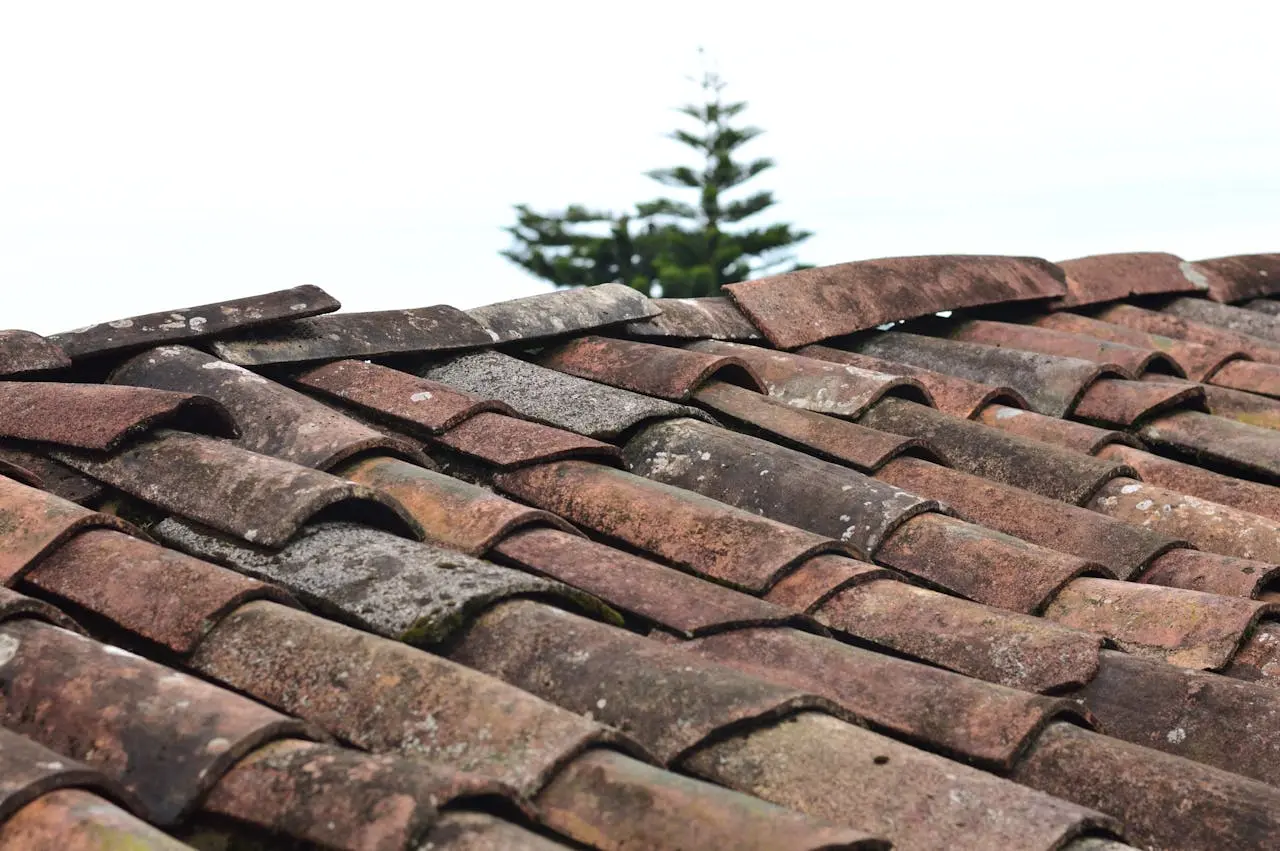
When you move to a new area, understanding the local climate and the common causes of roof damage can significantly impact your insurance needs. For instance, moving from a hurricane-prone state like Florida to a state like Colorado, where hail storms are common, requires a reevaluation of your roofing insurance coverage. This transition is the perfect time to review and adjust your policy to ensure it meets the specific risks associated with your new home.
Each region has unique environmental risks that can affect your roof. In Florida, roofs are often subject to wind and water damage from hurricanes. In Colorado, the primary concerns might be heavy snowfall and hail. Understanding these risks can help you choose the right type of roofing materials and insurance coverage. For example, hail-resistant shingles might be a wise investment in areas prone to hail storms.
The Role of Movers in a Smooth Transition
Moving to a new area involves many logistics, from packing up your belongings to transporting them safely. Hiring professional movers can alleviate much of the stress associated with relocating. When it comes to ensuring your valuable items are handled with care, consider enlisting the services of Big Man’s Moving Company. Their expertise can make the transition smoother, allowing you to focus on other important tasks, such as updating your insurance policy and getting settled into your new home.
Once you’ve moved, it’s crucial to update your insurance policy to reflect your new address and any additional coverage needs. Contact your insurance provider to discuss these changes and ensure your policy is tailored to your new location’s specific risks. This step is vital for ensuring that you are fully covered in the event of roof damage.
Documenting the Condition of Your Roof
Before you move into your new home, thoroughly inspect the roof and document its condition. Take clear photographs and keep detailed notes on any existing damage. This documentation will be invaluable if you need to file a claim in the future, as it provides a clear record of the roof’s condition at the time of your move.
Filing a Roofing Insurance Claim
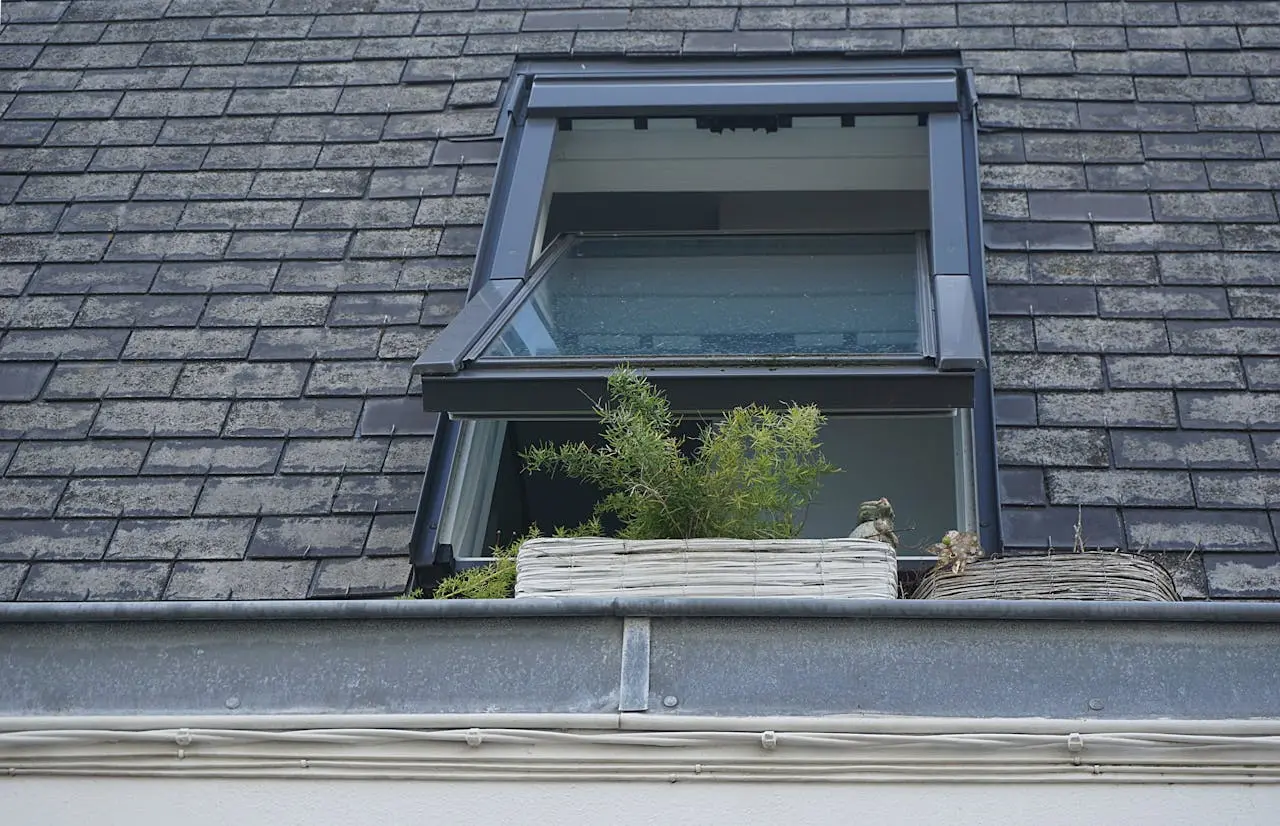
If your roof sustains damage, knowing how to file a claim can expedite the repair process and reduce stress. Start by contacting your insurance provider to report the damage. Provide them with the documentation of your roof’s condition and any new damage. The insurance company will likely send an adjuster to assess the damage and estimate the repair costs. Understanding this process helps ensure you receive fair compensation for your claim.
Choosing the Right Roofing Contractor
Selecting a reputable roofing contractor is crucial for ensuring high-quality repairs, which might not be all that easy if you relocated from Florida to Colorado, for example. Look for contractors with good reviews, proper licensing, and insurance. Inquire about their experience with insurance claims, as contractors familiar with the process can help streamline your claim. Getting multiple quotes to ensure you’re getting a fair price for the repairs is also beneficial.
Adapting to New Climate Considerations
Relocating to a new state often brings changes in climate and lifestyle, which can significantly impact your home maintenance needs, including your roof. For instance, moving from a warmer state like Florida to one with a colder climate like Colorado introduces different challenges, such as handling snow and ice. It’s essential to join forces with the right people, like experienced out-of-state movers, to ensure a smooth transition. These professionals can assist you with everything from packing to unpacking, allowing you to focus on adapting to your new environment and understanding the specific roofing needs of your new home.
Preventative Measures for Roof Maintenance
Proactively maintaining your roof can prevent extensive damage and costly repairs. So, don’t forget to do regular inspections. This is even more important in case of severe weather. Such inspections can help identify potential issues before they escalate. Cleaning gutters, removing debris, and promptly addressing small maintenance can extend your roof’s life and reduce the likelihood of filing a large insurance claim.
Conclusion: Staying Prepared in Your New Home
Moving to a new area is an exciting adventure, but it comes with its own set of challenges. Understanding roofing insurance claims and ensuring your policy is tailored to your new environment is crucial for protecting your investment. By staying informed and proactive, you can confidently navigate the complexities of roofing insurance, ensuring your new home remains a safe and secure haven for years to come.