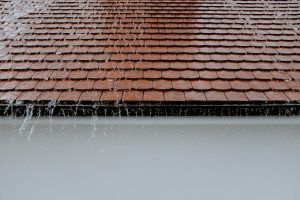

As the snow melts and the days grow longer, Denver homeowners must turn their attention to preparing their homes for the spring thaw season. This period can be particularly challenging for roofs, which may have been under the strain of heavy snow and ice all winter. Properly preparing your roof for the thaw is essential to prevent water damage and ensure the longevity of your home’s structure. Here are effective tips and strategies for Denver homeowners to prepare their roofs for the spring thaw season, focusing on spring thaw preparation, Denver roof care, and ice melt solutions.
Conduct a Pre-Thaw Roof Inspection
Before the thaw begins in earnest, conduct a thorough inspection of your roof to identify any damage or vulnerabilities. Look for signs of wear and tear, such as missing or damaged shingles, cracks, and leaks. Pay special attention to areas around chimneys, skylights, and vents, as these are common sites for leaks. If you’re uncomfortable performing the inspection yourself, consider hiring a professional roofing contractor.
Clear Snow and Debris from Your Roof
Accumulated snow and debris can lead to ice dams, which pose a significant risk to your roof during the thaw. Use a roof rake to gently remove snow from the edges of your roof, being careful not to damage the shingles. Clearing the snow will help prevent water from pooling and seeping into your home as it melts. Additionally, ensure that gutters and downspouts are free of debris to allow melting snow and ice to drain properly.
Ensure Proper Attic Insulation and Ventilation
Adequate insulation and ventilation in your attic can significantly reduce the risk of ice dams forming. Insulation helps maintain a consistent temperature inside your home, preventing heat from escaping through the roof and melting the snow unevenly. Ventilation allows cold air to circulate under the roof, keeping the roof’s surface cold and reducing melting. Check your attic’s insulation levels and ensure that vents are not blocked by insulation or debris.
Install Ice Melt Systems
For Denver homeowners, installing an ice melt system can be a highly effective way to prevent ice dams and protect your roof during the thaw. Ice melt systems, such as heated cables or panels, can be installed along the roof’s edges where ice dams are likely to form. These systems work by providing just enough heat to prevent ice from forming without causing damage to your roof. While there is an upfront cost, the protection they offer can save you from expensive repairs in the long run.
Repair Roof Damage Promptly
If your pre-thaw inspection reveals any damage, it’s crucial to address these issues promptly. Small problems, such as a few missing shingles or a minor leak, can quickly become major issues during the spring thaw. Water can exploit any weakness in your roof, leading to significant damage to the structure of your home. Hire a reputable roofing contractor to make any necessary repairs before the thaw begins.
Maintain Your Gutters and Downspouts
Your home’s gutters and downspouts play a vital role in managing melting snow and ice. Before the thaw, ensure that your gutters are clean, secure, and free of any blockages. Check that downspouts are properly attached and direct water away from your home’s foundation. Consider installing gutter guards to prevent debris from clogging your gutters in the future.
Preparing your Denver home for the spring thaw is critical to protecting your roof and ensuring the longevity of your home. By conducting a thorough inspection, clearing snow and debris, ensuring proper attic insulation and ventilation, installing ice melt systems, repairing damage promptly, and maintaining your gutters and downspouts, you can mitigate the risks associated with the thaw and maintain a safe, comfortable home.