
Living in a bustling urban environment or areas prone to severe storms, including managing noise pollution, comes with unique challenges. Excessive noise can disrupt peace and impact well-being, whether it’s the constant hum of city traffic, overhead airplanes, or the roar of thunder during a storm. Fortunately, modern roofing solutions have advanced to address this issue, providing homeowners with effective ways to create a quieter home. This guide explores the benefits of noise-reducing roofing, the materials and designs available, and how to make the right choice for your home.
Understanding the Impact of Noise on Home Life
Noise pollution isn’t just an annoyance—it can affect physical and mental health. Constant exposure to loud sounds may lead to stress, disturbed sleep, and reduced concentration. This is especially true for homes near highways, railways, or storm-prone regions. The role of a good roof in mitigating noise is often underestimated, yet it is one of the most effective barriers between your living space and external disturbances.
How Noise-Reducing Roofing Works
Noise-reducing roofing involves materials and designs that absorb, deflect, or reduce the transmission of sound waves. The effectiveness of a roof in minimizing noise depends on factors such as the type of roofing material, insulation, and structural design. Modern roofing systems often incorporate advanced layers that dampen vibrations and create a quieter indoor environment. The right combination of materials and techniques can make a significant difference in soundproofing your home.
Best Materials for Noise-Reducing Roofing
Some roofing materials are naturally better at soundproofing than others. Asphalt shingles, for example, are a popular choice due to their density and affordability. However, durable and energy-efficient metal roofs can amplify sound without proper insulation. Clay and concrete tiles, on the other hand, are excellent for noise reduction thanks to their weight and solid structure. For a greener alternative, green roofs with vegetation can also dampen sound effectively while adding insulation and aesthetic appeal.
When Relocating, Consider Noise-Reducing Roofing
If you’re moving to another state, especially to a location with a high level of noise pollution or frequent storms, assessing the roofing of your prospective home should be a priority. Noise-reducing roofing can significantly enhance your living experience in a new area. Consulting with local professionals to understand regional challenges can help you make an informed decision. Upgrading to a noise-reducing roof post-move is also a worthwhile investment for long-term comfort and value.

The Role of Insulation in Noise Reduction
Insulation is a critical component of any noise-reducing roofing system. High-quality insulation improves energy efficiency and serves as a sound barrier. Materials such as fiberglass, foam, or spray-on insulation can be used beneath the roofing surface to minimize sound transmission. Pairing proper insulation with a noise-reducing roof ensures maximum effectiveness, particularly in urban or stormy areas with higher external noise levels.
Roofing Designs for Enhanced Soundproofing
The design of your roof also plays a role in noise reduction. Sloped roofs, for instance, are better at deflecting sound waves than flat roofs. Multi-layered roofing systems with underlayment and sound-dampening barriers further improve noise insulation. Combining these elements with high-quality materials and insulation can create a roofing system that minimizes external noise while maintaining durability and aesthetic appeal.
Noise Reduction for Urban Homes
Urban homeowners often deal with continuous noise from traffic, construction, and nearby neighbors. In such environments, investing in noise-reducing roofing can dramatically improve indoor comfort. Selecting materials with soundproofing properties, such as heavy tiles or sound-dampening membranes, is essential. Additionally, urban homes may benefit from double or triple-glazed windows and sealed gaps to complement the roofing system.
Stormy Areas and Noise-Reducing Roofing
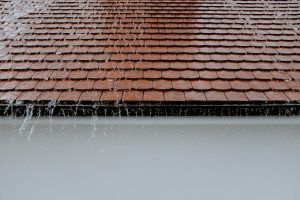
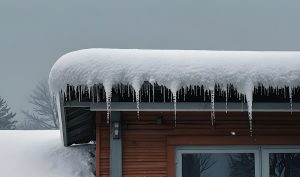
Stormy regions present unique challenges due to noise and weather extremes. The sound of heavy rain, hail, or wind can be overwhelming without proper noise-dampening measures. Roofs in these areas should incorporate resilient materials and strong insulation to handle both noise and weather impacts. For instance, rubber roofing membranes are durable and effective in reducing noise from storms, making them a preferred choice in such conditions.
The Importance of Professional Installation
No matter how advanced the roofing materials are, proper installation is key to effectively reducing noise. Gaps, poorly fitted insulation, or subpar workmanship can undermine the roof’s ability to block noise. Engaging experienced contractors ensures the roof is installed to maximize its noise-reducing potential. Suppose you’re managing a relocation at the same time. In that case, Collegian Movers can help streamline the process by handling your move efficiently, giving you more time to focus on home improvements like roofing upgrades.

Cost vs. Long-Term Benefits
Noise-reducing roofing may come with a higher upfront cost than standard options, but the long-term benefits are worth the investment. When paired with proper insulation, a quieter home enhances quality of life, boosts property value, and even lowers energy costs. Homeowners prioritizing comfort and peace of mind will find the cost of noise-reducing roofing worthwhile.
Conclusion: Quieter Home for Peace
Noise-reducing roofing offers an effective solution for homeowners seeking tranquility in urban or stormy environments. You can create a quieter home and a more comfortable living space by selecting the right materials, incorporating insulation, and investing in professional installation. Whether upgrading your current home or planning a move to a new one, considering the benefits of noise-reducing roofing is a step towards improved well-being and long-term satisfaction. Embrace the peace you deserve by investing in roofing solutions tailored to your needs and environment.