While flat roofs are often seen as stylish and modern, their design can present specific maintenance needs that homeowners may not anticipate. Understanding the challenges a home with a flat roof may have, as well as the solutions to manage them, can make all the difference in ensuring your home remains a comfortable and functional space.
Understanding the Appeal of Flat Roof Homes
Moving into a new home comes with plenty of tasks to juggle, and when you have unique challenges like a flat roof to consider, professional help can make all the difference. A trusted company like Golans Moving and Storage can assist with transporting your belongings safely, giving you peace of mind. Whether you need help with packing, loading, or storage, professional movers can help make the process seamless while you admire your new flat roof home.
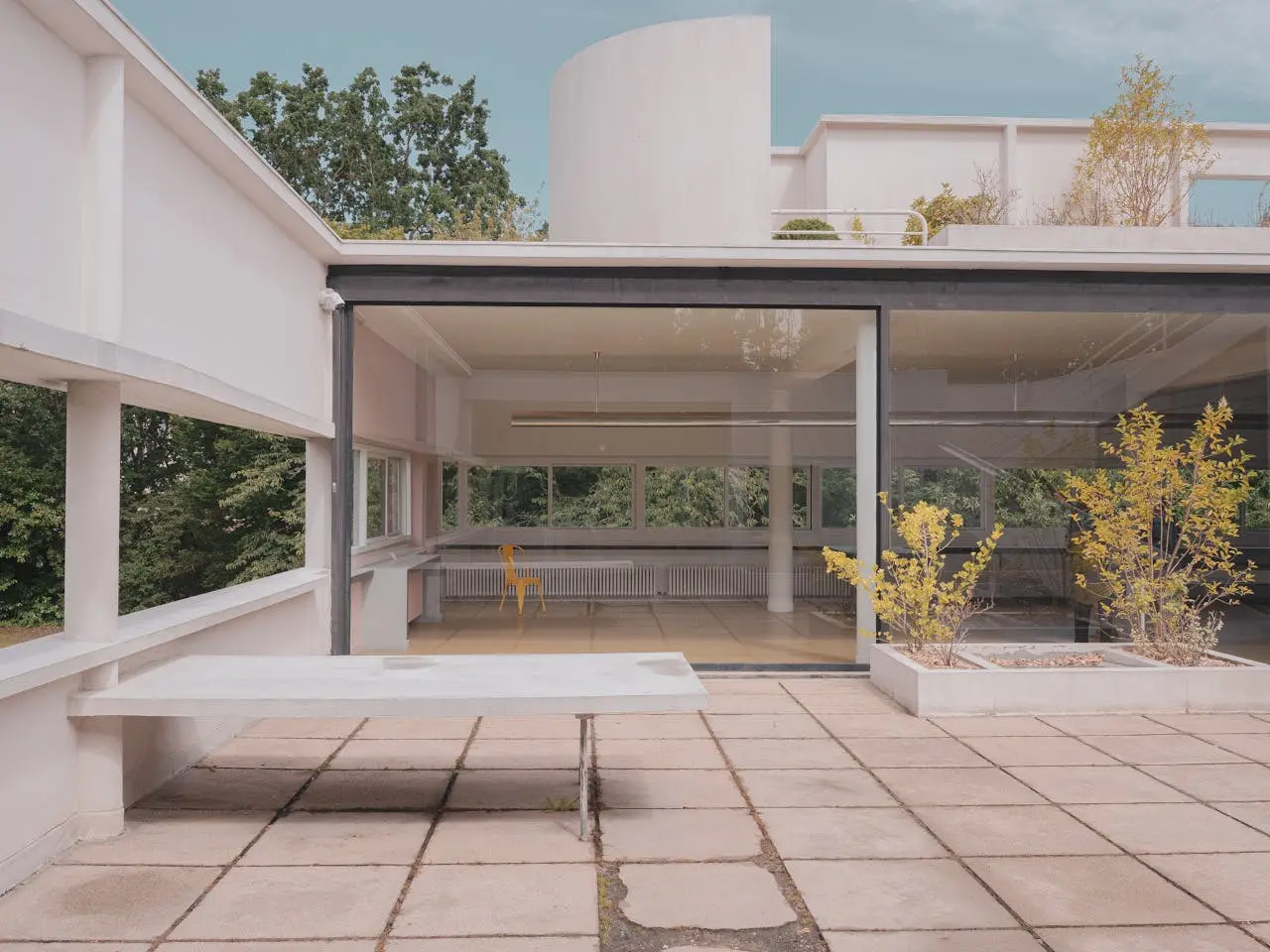
Flat roof homes have a minimalist appeal that resonates with those who love modern architecture. Their clean lines, potential for rooftop living spaces, and energy efficiency make them an attractive option for many. The possibility of turning a flat roof into a rooftop garden or terrace makes the concept appealing to city dwellers and suburban homeowners alike. However, these benefits come with the need for proper care and a proactive approach to maintenance.
Drainage Issues: A Key Concern for Flat Roofs
One of the most significant challenges associated with flat roofs is drainage. This is because flat roofs require a more intentional drainage system than pitched roofs, where water naturally flows off. Without proper drainage, water can pool, leading to leaks, roof damage, and structural issues over time. It’s important to regularly check that gutters, drains, and downspouts are clear of debris to prevent clogs.
Flat roof homeowners should consider investing in a high-quality drainage system, such as internal drains or scuppers. These systems can help guide water off the roof and away from the foundation, reducing the risk of water damage. If you’re moving into a flat-roof home, it’s worth asking for a professional inspection to ensure the drainage system functions optimally.
Roof Maintenance: Prevention Is Better Than Cure
Routine roof maintenance is essential when you have a flat roof. Due to the horizontal design, flat roofs are more susceptible to damage from weather elements such as snow, rain, and intense sunlight. Regular inspections, ideally twice a year, can catch small issues before they become costly problems.
Flat roof materials like rubber, asphalt, or PVC are durable but require attention to detail. Be sure to clear any debris accumulating on the roof, as this can trap moisture and cause damage. Homeowners should also look out for cracks or bubbles in the roofing material, as these can signal that the surface is beginning to wear. Scheduling professional maintenance can prevent leaks and prolong the life of your roof.

Insulation Challenges: Keeping the Home Comfortable
Flat roofs tend to have less insulation than their sloped counterparts, which can lead to temperature fluctuations inside the home. In climates with extreme temperatures, homeowners may find it challenging to maintain a comfortable indoor environment. During the summer, flat roofs can absorb a lot of heat, making the house warmer, while in winter, they may not retain heat as well.
To combat this, consider adding high-quality insulation materials beneath the roofing structure. Reflective or cool roofing materials can also help reduce heat absorption in warmer months. Pairing this with an energy-efficient HVAC system can ensure your home remains cozy year-round.
Water Leaks: Spotting the Signs Early
Leaks are one of the most common problems with flat roofs. Since water can pool on the surface, any weakness in the roofing material could result in water penetrating the structure. Signs of a leak include water stains on the ceiling, mold growth, and peeling paint. If you spot any of these signs, it’s crucial to address the issue immediately before it causes more extensive damage.
When moving into a flat-roof home, having a professional inspect the roof for potential vulnerabilities is essential. Knowing where the risks lie can help you plan for repairs or upgrades, such as applying a waterproof sealant to protect the roof from moisture.
Snow Accumulation: A Risk to Be Managed
For those living in colder climates, snow accumulation on a flat roof can be a significant concern. Unlike pitched roofs, where snow naturally slides off, flat roofs can accumulate large amounts of snow. This extra weight can put immense pressure on the structure and increase the risk of collapse if not properly managed.
Homeowners can install heating cables or snow removal systems to melt and remove excess snow. It’s also wise to have a snow removal plan in place during winter months to prevent dangerous build-up. If you’re moving from Illinois to Colorado, where snow can be heavy, hiring packing services for your move will make the transition easier. The pros can handle this, allowing you to focus on preparing your new home for the elements.
Adding Green Spaces to Your Home With a Flat Roof
One of the perks of having a flat roof is the opportunity to create a green space on top of your home. Rooftop gardens are becoming increasingly popular for those who want to maximize their outdoor living areas, particularly in urban settings where yard space may be limited. A rooftop garden can provide not only a peaceful retreat but also insulation, which helps regulate your home’s temperature.
Before starting a rooftop garden, it’s essential to ensure the roof can handle the additional weight. Working with a structural engineer to evaluate the roof’s capacity is a smart step. You’ll also need to consider waterproofing solutions to prevent water from seeping into your home.
Working with Roofing Professionals
Moving into a home with a flat roof means you’ll likely need to develop a relationship with roofing professionals who specialize in flat roof maintenance. Routine inspections and timely repairs can go a long way in ensuring your roof remains in good condition. If you’re unsure about the integrity of the roof when moving in, scheduling an inspection is a great way to start.
In some cases, a new flat roof may need to be installed if the existing one has extensive wear or damage. Partnering with experts with experience in flat roof installations will ensure you get the best materials and solutions for your home.
The Long-Term Benefits of Flat Roof Living
While flat roofs come with their challenges, they also offer unique benefits. The potential to create additional outdoor living space, the sleek, modern aesthetic, and the opportunity to use energy-efficient materials are all appealing factors. With the right maintenance plan and expert help, you can ensure your flat-roof home remains a valuable and enjoyable space for years to come.
Ultimately, moving into a home with a flat roof is about balancing the advantages with the necessary care. By understanding the potential challenges and implementing solutions early on, you’ll be well-prepared to enjoy the beauty and functionality of your new home.