
Understanding how weather patterns affect roof longevity is extremely important for homeowners. Different climates pose unique challenges, from intense sun exposure and heavy snow loads to wind and rain damage. By grasping these dynamics, homeowners can make smart decisions about materials and maintenance, keeping their homes safe.
Impact of sun exposure
Understanding the impact of sun exposure is a key part of taking care of your roof. UV rays from the sun can cause gradual damage to materials over time. Asphalt shingles, for example, may experience accelerated deterioration, leading to cracks and discoloration. Still, reflective coatings can mitigate some of these effects by reducing heat absorption and UV exposure, thereby extending the lifespan of the materials.
Snow load and weight considerations
Heavy snow accumulation can exert significant weight on roofs, potentially leading to structural damage if not properly managed. Homes with steep roofs generally shed snow more effectively than those with flat roofs, reducing the risk of overloading. However, even with this, periodic snow removal may be necessary to prevent excessive buildup. Ice dams, formed by melting snow refreezing at roof edges, can also cause water to back up under shingles, leading to leaks and damage to ceilings and walls. Therefore, regular inspection and maintenance are important. Materials rated for snow load resistance, such as metal or slate, do offer added protection, too.
Rain and moisture damage
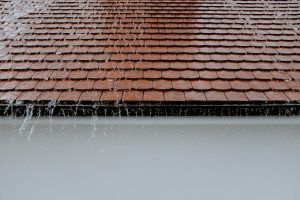
Rainwater can seep under shingles, causing rot, mold, and structural damage over time. Properly functioning gutters and downspouts are essential for directing water away from the roof and foundation. Regular inspection of these drainage systems then helps prevent clogs and backups that can lead to water pooling. Adequate ventilation also plays a role in reducing moisture buildup in attics and under decks. Homeowners should consider using waterproofing sealants and membranes in vulnerable areas to further protect against moisture intrusion. Still, if they fail, Eagle Moving Group Florida advises you to contact professional movers who can get your belongings out of your attic and into storage so you can fully focus on solving the issue! Finally, choosing materials with high water resistance, such as clay tiles or metal, can mitigate rain-related damage.
Hail damage and prevention
Hailstorms are one of the most significant ways weather patterns affect roof longevity. They can cause considerable damage to materials, including cracks, dents, and granule loss on asphalt shingles. Impact-resistant materials like metal or composite roofing offer better protection against hail damage. Installing and maintaining hail-resistant products can further minimize the need for repairs or replacements due to hail damage. Homeowners should also consider adding protective measures like impact-resistant coatings or reinforced underlayment to shield them from hailstorms further.
Wind and storm damage
Strong winds during storms can lift shingles, causing them to loosen or tear off completely. Properly securing roof materials and using durable fasteners can mitigate wind uplift risks. Homes in hurricane-prone areas may also benefit from hurricane straps or reinforced roofing materials designed to withstand high winds. Additionally, trimming overhanging branches and securing outdoor furniture can prevent them from becoming projectiles during storms. Lastly, prompt repairs after storms avoid water intrusion and further damage.
Freeze-thaw cycles
In cold climates, water can seep into cracks and gaps in roofing materials during thawing periods. When temperatures drop again, this water freezes and expands, causing further damage to the roof’s structure. This cycle, known as freeze-thaw damage, can weaken shingles and lead to leaks over time. Proper roof insulation and ventilation help regulate temperatures and reduce the likelihood of freeze-thaw damage. Regular inspections allow homeowners to identify and repair any vulnerable areas before they become problematic. Using ice and water shield membranes in susceptible regions can also provide an additional layer of protection against ice melt damage.
Effects of temperature fluctuations
Rapid temperature changes can be harmful to certain materials. These changes can cause them to expand and contract, leading to potential damage over time. This phenomenon is particularly significant in regions with extreme temperature variations between seasons. Proper roof ventilation and insulation play huge roles in minimizing these effects by maintaining stable temperatures and reducing thermal shock. Choosing materials designed to withstand temperature fluctuations, such as metal or composite materials, can also enhance durability. Homeowners should also consider reflective coatings to mitigate heat absorption during hot periods, further protecting their roofs.
Impact of salt and pollution
Salt and pollutants from industrial emissions and vehicles can corrode roofing materials over time, leading to deterioration and structural issues. Regular cleaning and maintenance are the responsible ways to remove debris and minimize the effects of pollution buildup. Choosing roofing materials resistant to corrosion, such as metal or synthetic, can also offer better longevity in polluted environments. Applying protective coatings or sealants can further enhance resistance against salt and pollutants. Proper drainage systems and gutter maintenance help prevent debris buildup, which can exacerbate corrosion. Homeowners should also consider the environmental factors around their homes when selecting roofing materials and maintenance strategies.
Tropical weather conditions
Homes in tropical areas require roofing materials designed to withstand hurricane-force winds and heavy precipitation. Impact-resistant roofing materials such as metal or concrete tiles offer superior durability against tropical weather conditions. Proper roof installation techniques, including reinforced framing and secure fastening, are recommended for structural integrity during storms. Regular inspections before and after storm seasons help detect any damage early, allowing for timely repairs. Homeowners should also consider additional protective measures, such as storm shutters and roof straps, to mitigate potential damage.
Desert climates and roof care
Desert regions present unique challenges to roofs, including prolonged exposure to intense sunlight and temperature fluctuations. Roofing materials that offer high solar reflectance and thermal emittance, such as clay tiles or metal, are ideal for desert climates as they help reduce heat absorption and energy costs. Proper ventilation is also needed to prevent heat buildup in attics, which can lead to accelerated roof aging and increased cooling expenses. From there, regular inspections allow homeowners to identify and address any damage caused by UV exposure, such as cracked or blistered shingles. Applying reflective coatings or sealants can further protect roofs from sun damage and extend their lifespan in desert environments. Finally, homeowners should consider landscaping strategies that provide shade to reduce direct sunlight exposure on roofs.
Coastal areas and salt spray
Homes near the coast are exposed to salty air, which can accelerate the deterioration of roofing materials over time. Metal and synthetic materials like PVC or composite shingles are recommended for corrosion resistance. Regular cleaning to remove salt deposits is also necessary in coastal regions to prevent buildup and potential damage. Installing rust-resistant fasteners and using protective coatings can further enhance durability against salt spray. Proper maintenance of gutters and downspouts helps maintain efficient water drainage and reduces the risk of saltwater accumulation, too. Homeowners should also inspect their roofs after storms to address any salt-related damage promptly.
Mitigating the way weather patterns affect roof longevity
How weather patterns affect roof longevity will dictate how you approach home maintenance. You can protect your investment by staying proactive with regular inspections and maintenance tailored to your climate! After all, even just choosing durable materials suited to your region’s weather conditions does a lot.