
Roofs are exposed to constant environmental stress, from scorching heat to freezing conditions. These temperature swings cause materials to expand and contract, leading to cracks, leaks, and weakened structural integrity. If not addressed, small issues can escalate, requiring costly repairs or even full roof replacements. It’s essential to prepare your roof to withstand these changes before serious damage occurs. Homeowners often overlook preventative measures, focusing only on repairs once problems arise. However, reinforcing your roof in advance can significantly extend its lifespan.
Inspect Your Roof for Pre-Existing Damage
The first step in preventing weather-related damage is a detailed inspection. Temperature fluctuations make small vulnerabilities worse, leading to long-term structural problems. First off, start by examining the shingles. Look for curling, cracking, or missing pieces. Damaged shingles expose the underlayment to moisture, increasing the risk of leaks. These need replacement before the next season can prevent further issues. Secondly, check the flashing around chimneys, vents, and skylights, as they are prone to leaks due to metal expanding and contracts when temperature changes. Loose or corroded flashing should be repaired immediately.
Gutters and downspouts also need attention. Clogs cause water to pool, leading to mold growth and structural weakening so regular cleaning is a must. Inside the attic, look for dark spots or damp insulation. Water stains on ceilings or walls indicate potential leaks. Importantly, if you end up needing to undergo major home renovations like a complete roof replacement, finding a secure place to store furniture and belongings is crucial. An efficient and reliable solution for homeowners needing short-term storage is an off-site storage service like Hansen Bros. Moving & Storage. With the worry of keeping your possessions safe and taken care of, you can focus completely on the sturdiness of the roof over your head.
Improve Insulation and Ventilation for Year-Round Protection
Many homeowners focus on exterior maintenance but overlook insulation and ventilation. Both play a critical role in protecting the roof from temperature swings. Poor insulation allows heat to escape in winter, increasing the risk of ice dams. In summer, inadequate insulation traps heat, raising indoor temperatures and overworking air conditioning systems. Adding high-quality insulation helps regulate temperature and prevents energy waste.
Ventilation is equally important. Without proper airflow, moisture builds up inside the attic, leading to mold growth and wood rot. Ridge vents, soffit vents, and attic fans create a balanced airflow, reducing condensation and preventing excessive heat buildup. If insulation is outdated, consider upgrading to materials with higher thermal resistance. Fiberglass batts, cellulose, and spray foam insulation offer long-term protection, reducing the strain on roofing materials.
Prepare Your Roof with Weather-Resistant Materials
Different roofing materials react differently to extreme temperatures. Selecting the right one ensures long-term durability and reduces maintenance needs. Metal roofs are excellent for fluctuating climates, as they expand and contract without cracking. However, they require professional installation to prevent warping. Clay tiles work well in hot regions but can become brittle in freezing temperatures. Asphalt shingles are widely used but degrade faster under extreme heat.
In addition, impact-resistant shingles are designed to withstand hail and heavy storms, making them ideal for areas with unpredictable weather. Reflective coatings can reduce heat absorption, extending the lifespan of roofing materials in hot climates. Additional protective measures, such as sealants or water-resistant underlayment, should also be considered to reinforce the structure. Another important factor is storing stuff in your attic. While it may seem like a convenient space, there are items you shouldn’t store there due to temperature fluctuations. Heat and moisture can ruin delicate belongings, making an external storage service a better option for seasonal or sensitive items.
Schedule Regular Professional Roof Inspections
Routine inspections prevent minor issues from turning into costly repairs. A trained roofer can spot weaknesses that are not immediately visible. Professionals check for deteriorating sealants, loose shingles, and moisture damage. They also assess weight distribution, ensuring that structural components remain intact. Inspections are particularly important after severe storms, as hidden damage may compromise stability.
A professional can identify weak spots and suggest the best ways to prepare your roof for drastic temperature swings. The ideal time for inspections is early spring or late fall. This allows time for necessary repairs before extreme weather sets in.
Maintain Gutters and Drainage Systems
Gutters protect both the roof and foundation. When clogged with leaves, dirt, or ice, they cause water to overflow, leading to leaks and structural weakening. Downspouts should direct water away from the foundation. Pooling water increases the risk of foundation cracks and basement flooding. Installing gutter guards helps minimize debris accumulation, making maintenance easier.
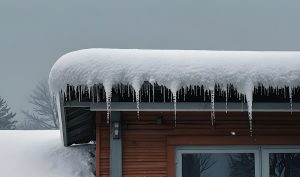
In winter, ice dams also form when melting snow refreezes at the edge of the roof, trapping water. This leads to leaks and additional weight on the structure. Heated gutter systems prevent ice buildup, keeping drainage clear. Regularly checking and cleaning gutters ensures that water flows properly, preventing long-term damage.
Strengthening Roof Support and Reinforcement
If you live in areas with particularly extreme weather, this puts additional pressure on roofing structures. Reinforcing weak points reduces the risk of collapse or leaks. Adding bracing to rafters strengthens the framework, preventing damage from heavy snow or strong winds. Sealants applied to joints and seams provide an extra layer of protection, keeping moisture out.
Likewise, storm straps secure the roof to the home’s frame, reducing wind damage. In hurricane-prone areas, installing a secondary waterproof barrier prevents leaks if shingles are torn off. Homeowners in regions with heavy snowfall may benefit from installing a heated cable system. These prevent snow accumulation, reducing the risk of roof cave-ins.
Choosing the Right Roof Maintenance Schedule
Preventive maintenance ensures long-term durability. Setting a seasonal schedule helps keep the roof in optimal condition.
- Spring: Inspect for damage from winter storms and ice dams. Clear debris from gutters and check attic insulation.
- Summer: Look for signs of heat damage, such as cracked or blistered shingles. Check for algae or mold growth.
- Fall: Remove fallen leaves, clean gutters, and schedule professional inspections. Address any small repairs before winter.
- Winter: Monitor for ice dams and clear snow buildup. Ensure attic ventilation remains unblocked.
Following a structured maintenance plan reduces long-term repair costs and extends the lifespan of roofing materials.
Wrap-Up
Temperature changes affect every part of a home, but the roof takes the most damage. Regular maintenance, quality materials, and proper insulation help prevent costly repairs. Seasonal inspections and professional assessments catch small issues before they escalate. By taking the right steps to prepare your roof, you can avoid unexpected damage and keep your home safe all year.