Taking care of your roof needs to be a priority after you relocate. Therefore, it’s necessary to evaluate roof life expectancy when moving into a new home. We at Hot Edge can offer you solutions for roofs and some tips on how to do the evaluation. Let’s go over some details that will help you with this task.
Step one—Move in
Before you can start working on your new home, you need to move in properly. The best way to do that is with the help of expert movers, and nwmoving.com can help you find the ones that fit your needs. These licensed interstate brokers can connect you with independent movers in their network of carriers dedicated to providing secure transportation of your possessions. Once safely moved, you can switch your focus to the much-needed roof evaluation.
Understand different roof materials
Understanding the many kinds of roof materials is crucial when moving to a new house in order to determine how long a roof will last. There are numerous varieties of roof materials, and each has special durability and longevity characteristics. For instance, asphalt shingles typically last 15 to 30 years, but metal roofs might last 40 to 70 years. A lot of slate and tile roofs are older than fifty years.
Knowing the material helps establish how long the roof should last and directs maintenance schedules. For instance, some materials have a shorter lifespan due to weather-related problems, like ice dams. Consequently, having a basic understanding of the roof’s material allows for an evaluation of its possible longevity.

Recognize signs of roof aging
Recognizing signs of roof aging is essential for assessing its lifespan when moving into a new home. Key indicators include curled, cracked, or missing shingles, which suggest deterioration. Granule loss from shingles, visible in gutters or around the home, can signal a nearing end of life. Water stains on ceilings or walls indicate potential leaks. Additionally, a sagging roofline may point to structural issues. Early detection of these symptoms aids in estimating the roof’s remaining life and determining if replacement or repair is required right away. If these problems are dealt with early on, future damage and expensive repairs may be avoided.
A checklist to help evaluate roof life expectancy when moving into a new home
This systematic approach helps identify issues that may affect the roof’s longevity and informs necessary actions:
- Start by inspecting the condition of roof valleys and intersections for signs of wear or damage.
- Check the chimney and vent flashing for leaks or deterioration.
- Examine the condition of the underlayment by looking for any soft spots on the roof deck.
- Assess the gutter system for proper alignment and blockages that could indicate potential problems.
- Review the overall roof slope and drainage to ensure it effectively channels water away.
How does the weather impact roof life expectancy?
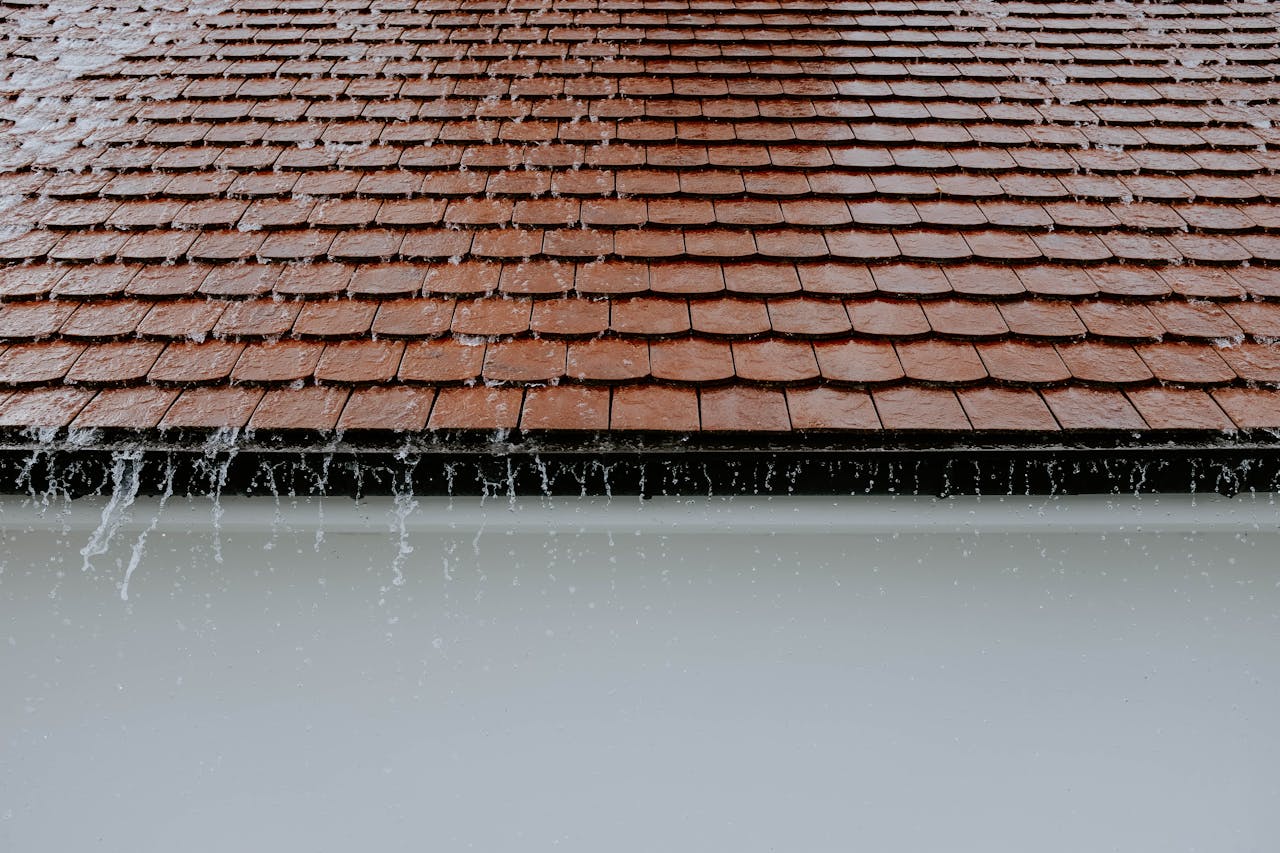
The weather has a big impact on how long a roof will last. Severe storms, high temperatures, and heavy rain can hasten roof deterioration. For example, extreme heat can cause shingles to break and become brittle, and a lot of snow and ice can create ice dams, which retain moisture and allow leaks. If drainage isn’t sufficient, rot and mold may develop from frequent rain. Knowing how weather patterns affect roof longevity and the climate where you live will help you prepare for these weather-related problems and guide your necessary maintenance plans. You can prolong the life of your roof and prevent future issues by being aware of how different weather patterns influence it.
Maintenance and repairs
Timely repairs and routine maintenance are essential to prolong a roof’s lifespan. Regular maintenance helps prevent premature wear and problems like water damage. Gutter cleaning, shingle inspections, and debris removal are a few of these. To extend the life of the roof and prevent more significant problems, it is best to replace damaged shingles or plug leaks as soon as possible. Homeowners should also check for any signs of damage and ensure that all flashing and seals are intact after heavy weather. Make sure to negotiate roof repairs in your home purchase contract and ensure you don’t have problems with them when you move. Here are some common repairs when it comes to your roof, including:
- Replacing damaged or missing shingles
- Sealing leaks around vents and chimneys
- Repairing or replacing damaged flashing
- Clearing clogged gutters and downspouts
- Fixing cracked or broken tiles
Get professionals to give you a better estimate
The help of paraprofessionals is always handy, and you need to find roof inspectors to evaluate roof life expectancy when moving into a new home. Professionals can perform a comprehensive inspection of the roof to find hidden concerns that the untrained eye would miss, including degradation, structural damage, or insulation issues. They offer a thorough analysis of the roof’s current condition and anticipated lifespan and use specialist tools and techniques to identify any underlying issues. Homeowners can plan for future upkeep and make well-informed decisions about necessary repairs or replacements with the assistance of this expert advice. By hiring experts, you may be sure of a more precise estimate and long-term investment protection.
Check for previous repairs
Checking for previous repairs is essential when evaluating a roof’s life expectancy. Understanding the history of repairs reveals how well the roof has been maintained and highlights any recurring issues. Inspect past repair work for quality and workmanship, as poorly done repairs can lead to further problems. Additionally, records of past repairs can indicate how frequently the roof has needed attention, which can help assess its overall condition and remaining lifespan. This knowledge provides valuable context for making informed decisions about additional repairs or replacements, ensuring you fully understand the roof’s current state and potential future needs.

The potential costs of roof replacement
Many factors, such as labor expenses, material selection, and roof size, can greatly affect the cost of replacing a roof. The average cost of a new roof for a home might range from $5,000 to $15,000 or more. It’s important to factor in these potential costs when assessing the roof’s condition because having money set aside for a replacement roof can reduce financial strains should issues arise. A homeowner’s awareness of these costs might help them plan ahead and make informed decisions about maintenance and repair.
Ensure you have a trustworthy roof
There are certain steps that you need to take in order to keep your roof safe and sound. Especially after your move, keeping the roof over your head reliable at all times is necessary. When you evaluate roof life expectancy when moving into a new home, you can live in your home stress-free and without any worries. Take the steps, and you will have a stable roof over your head.