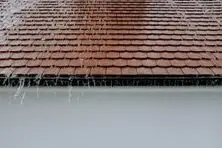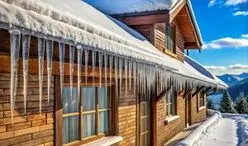
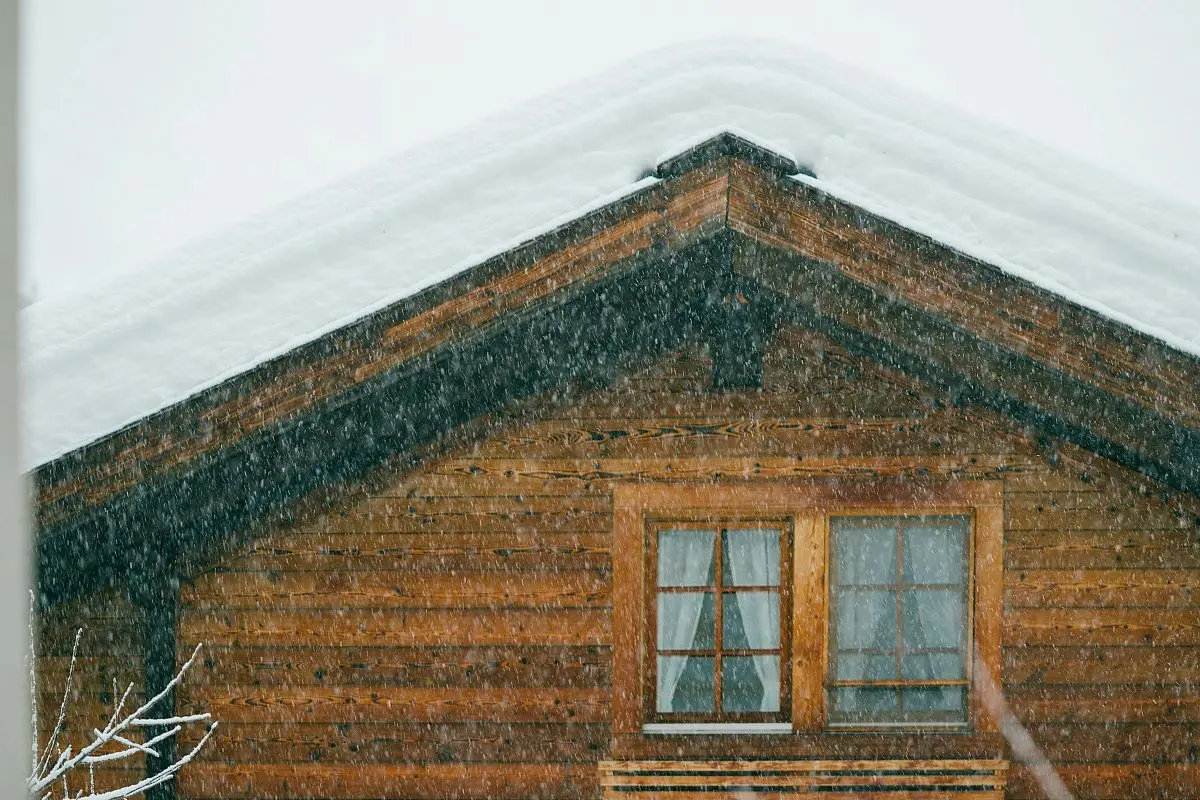
During winter, homes face significant heat loss, driving up energy costs. Snow and ice buildup on roofs worsen the problem. Poor insulation allows warm air to escape, forcing HVAC systems to work harder. Roof heating systems address these issues effectively. They keep roofs clear of snow and ice, reducing energy waste. This improves your winter energy efficiency while lowering costs.
The Science Behind Roof Heating Systems
Roof heating systems are designed to melt snow and ice, maintaining clear roof surfaces. They use either electric heating cables or hydronic tubing. Electric systems rely on heated wires placed directly on the roof. Hydronic systems circulate warm water through tubing beneath the surface. These systems distribute heat evenly, preventing snow buildup and ice formation. With this in mind, they reduce the risk of ice dams, which can damage your roof and insulation. Roof heating systems operate efficiently, requiring minimal maintenance while offering year-round benefits.
Key Ways Roof Heating Enhances Winter Energy Efficiency
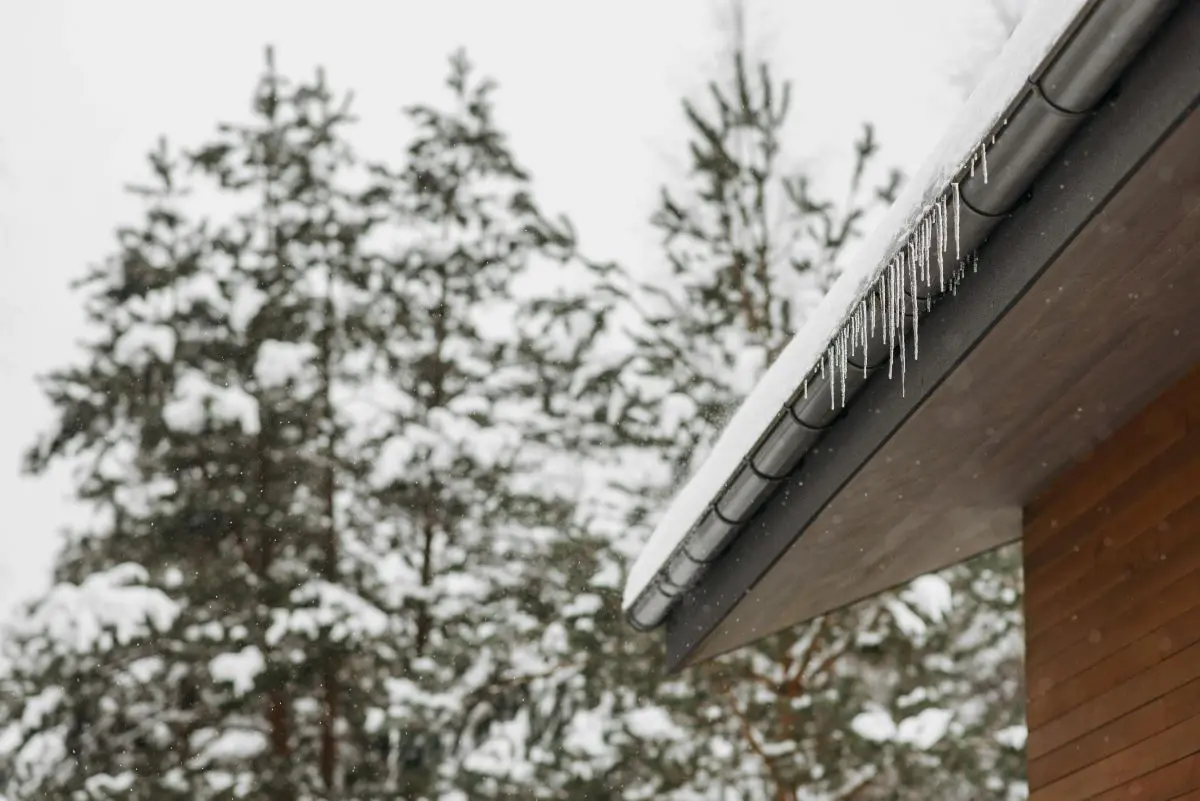
Roof heating directly contributes to better winter energy efficiency by solving common cold-weather problems. Ice dams are one of the most significant issues. These dams form when snow melts unevenly on a roof and refreezes at the edges. Ice dams block water flow, causing leaks and structural damage. However, roof heating systems eliminate ice dams by melting snow evenly. This reduces strain on insulation and prevents heat loss through the roof. As a matter of fact, consistent roof heating can significantly lower your energy bills.
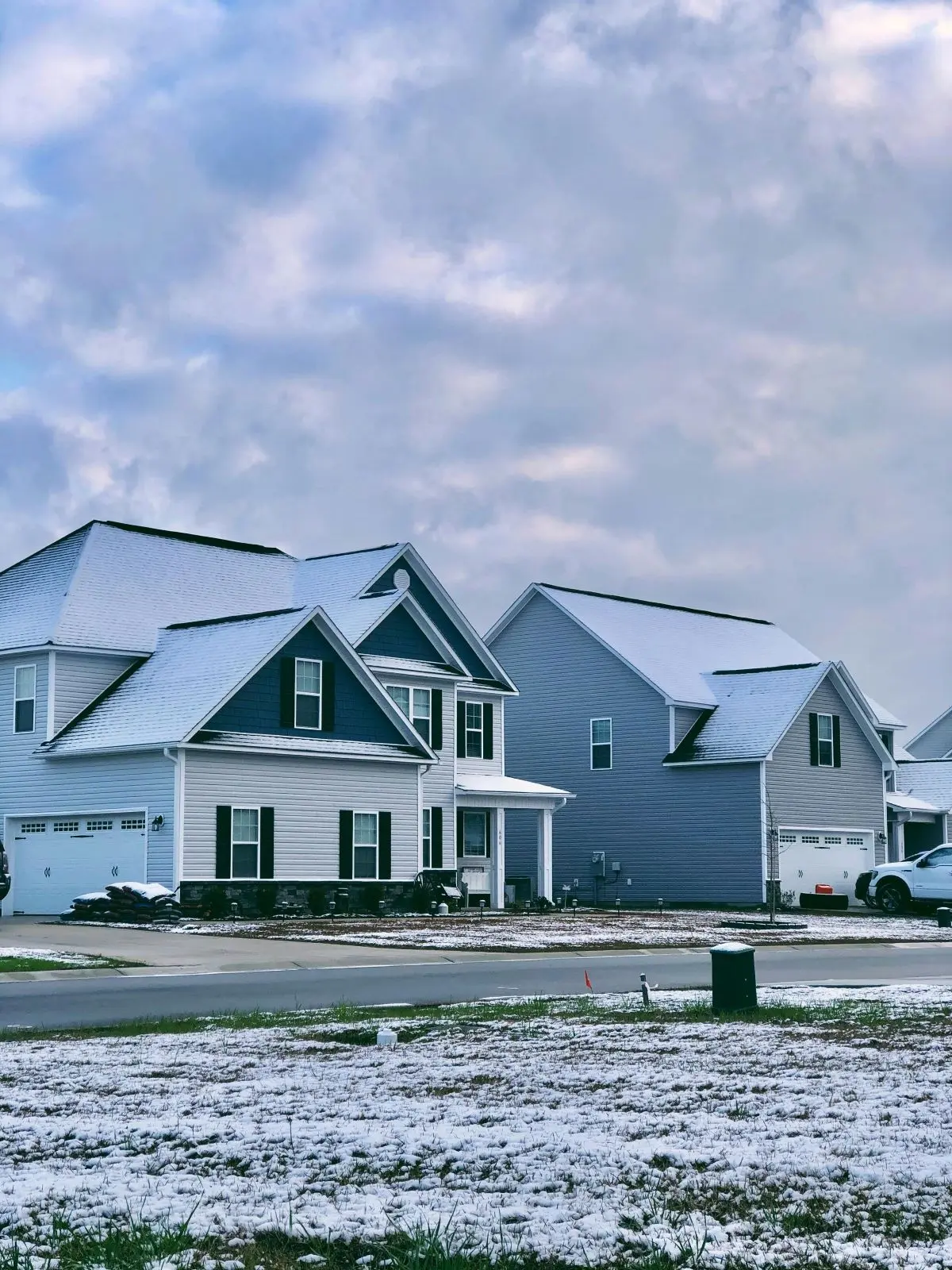
Snow buildup on roofs also creates cold spots that reduce insulation effectiveness. These areas force HVAC systems to overcompensate, increasing energy usage. Heated roofs ensure even temperatures across your roof, keeping indoor heat stable. Additionally, snow-free roofs allow better solar absorption, enhancing natural heat retention. In short, roof heating optimizes energy use, reducing waste and improving comfort.
Relocating Temporarily During Roof Renovations
Roof renovations, especially during winter, require homeowners to relocate temporarily for safety and convenience. Heavy snow or freezing conditions can make such transitions challenging. Professional movers simplify this process by managing logistics and ensuring belongings are safely transported and stored. Services like those offered by lippincottvanlines.com stand out for their reliability and efficiency. They handle winter moves with care, offering secure transportation and timely service. This support is crucial during roof work, allowing homeowners to focus on renovations without added stress. Movers also ensure delicate items are protected from winter weather, making relocation smoother and safer.
Reducing Energy Waste and Costs with Roof Heating
Energy waste is a common issue during winter. Snow-covered roofs lose heat faster, making heating systems work harder. Roof heating systems address this by melting snow and ice, creating a barrier that retains warmth. This lowers energy consumption and reduces utility bills. Roof heating also reduces long-term maintenance costs by preventing damage caused by ice dams and water leaks.
The environmental benefits of roof heating are also worth considering. Less energy consumption translates to a smaller carbon footprint. In contrast, homes without roof heating often waste more energy, increasing emissions. By investing in roof heating, you’re not only saving money but also supporting sustainability. Another key point is that roof heating can extend the lifespan of your roof by minimizing weather-related wear and tear.
Installation Insights: Is Roof Heating Worth It?
The decision to install roof heating depends on several factors. Roof size, material, and local weather conditions influence the cost and effectiveness. While the upfront cost can be significant, the long-term energy bills and maintenance savings outweigh the initial investment. Roof heating systems are especially valuable in regions with heavy snowfall or prolonged freezing temperatures.
Not to mention, roof heating increases home value by making properties more energy-efficient and comfortable. When considering installation, consult a professional to assess your specific needs. Proper installation ensures the system functions optimally and lasts for many years. Roof heating is a practical solution for homeowners committed to reducing energy waste.
Roof Heating Systems for Long-Term Energy Efficiency When Moving Across the Country
If you’re moving across the country, such as moving from Connecticut to Colorado, roof heating systems should still be part of your energy efficiency plan. Colorado’s harsh winters often bring heavy snow and ice, making roof heating essential for maintaining comfort and reducing energy waste. For those planning a move, hiring movers ensures a seamless relocation while you focus on preparing your new home. Reliable movers can safely transport belongings, even in challenging winter conditions, so you can settle into a home equipped for efficient energy use. Roof heating systems have become a valuable investment for sustaining warmth in colder climates.
Real-Life Benefits: Roof Heating Success Stories
Homeowners using roof heating systems report notable improvements in energy efficiency and comfort. For example, a family in Colorado installed an electric roof heating system after years of dealing with ice dams. As an illustration, they saw a 25% reduction in energy bills during the first winter. Additionally, their home stayed warmer, and they avoided costly roof repairs.
In another case, a business owner in Vermont equipped their commercial property with hydronic roof heating. They noticed fewer complaints about interior drafts and significantly lower heating costs. These success stories highlight the real-world advantages of roof heating systems. By addressing snow and ice problems, these systems enhance comfort and protect investments.
Alternatives to Roof Heating: When It May Not Be the Best Fit
Roof heating systems are ideal for areas with heavy snowfall and freezing winters. However, in milder climates, they may not be necessary. Alternatives can still improve energy efficiency. For instance, adding attic insulation reduces heat loss and improves indoor temperatures. Smart thermostats can optimize heating schedules to conserve energy.
Energy audits are another effective way to identify inefficiencies in your home. They pinpoint problem areas, allowing you to address heat loss without installing roof heating. Similarly, using solar panels can enhance energy efficiency while providing renewable energy. Evaluate your climate and needs before choosing the best solution.
Summary: Stay Warm and Efficient This Winter
Roof heating systems are an effective way to improve winter energy efficiency. They prevent ice dams, reduce heat loss, and lower energy costs. These systems also protect roofs from damage and extend their lifespan. Investing in roof heating allows you to enjoy a more comfortable home while saving money. Evaluate your home’s needs and consider professional installation to make the most of this energy-saving solution. Stay warm and energy-efficient throughout the winter by exploring roof heating options today.