
Your roof, an essential component of your home, often becomes a target for our feathered friends. While this may sound harmless, birds can cause serious damage, causing potential structural and aesthetic issues. So, preventing bird damage on your roof does deserve your time and attention.
In this guide, we’ll walk you through the signs of bird damage, its impact on your property, and practical strategies to protect your roof. From choosing bird-friendly roofing materials to DIY repairs and professional assistance, we’ve got you covered.
Understanding the Risks
First, we should understand the risks to put the issue into perspective. For one, large numbers of birds can cause roof damage. Pigeons, seagulls, and smaller birds like sparrows are frequent culprits, seeking shelter and nesting sites on residential structures. What’s more, the damages inflicted by these avian visitors can range from minor inconveniences to serious issues.
Birds often create nests and leave droppings, leading to clogged gutters and drainage systems. That, in turn, can result in water pooling on the roof, causing rot and degradation of roofing materials. The impact of bird damage also extends beyond mere inconvenience, with potential structural issues posing a significant threat. Roofs can weaken due to the weight of accumulated nests and the corrosive nature of bird droppings. In addition, health and safety concerns arise as bird droppings may contain harmful bacteria, and nests can attract pests. Lastly, the aesthetic damage is undeniable, as unsightly stains and debris compromise the visual appeal of your home.
Signs of Bird Damage
So, proactive measures are essential to ensure the longevity and functionality of your roof. The best way to do so is to keep a keen eye out for signs of bird damage. As a result, you can intervene early, preventing bird damage on your roof from escalating and causing issues.
Visible damage, like missing or displaced roofing materials, clearly indicates bird activity. If you notice any unusual sounds, such as persistent scratching or flapping, these may be signs of birds nesting or moving around on your roof.

Equally important are unusual activities, like birds repeatedly perching in specific areas or congregating on your roof. These may serve as signs of possible undetected nests. Nests, typically built inside gutters or vents, can obstruct proper drainage and ventilation.
Droppings are also telltale signs that birds have made themselves at home. Bird droppings create an unsightly mess and can corrode roofing materials over time.
Picking up on these signs is crucial for preventing further damage. Also, regular inspections and prompt removal of nests and droppings can help maintain the integrity of your roof. This way, you can help prevent structural issues and preserve your home’s overall safety and aesthetics.
Preventing Bird Damage on Your Roof: A Comprehensive Approach
Having covered the basics, let us explore how you can best approach this issue.
Relocation and Roof Care
First, roof damage is a common concern when moving homes, often arising from insufficient attention during relocation. So, make sure you take the time to inspect it thoroughly before the move to ensure it’s safe. This inspection allows you to identify and address existing issues before they escalate. As a result, it can save you a lot of money.
Still, if you notice extensive damage after you move in, it’s time to contact the pros. However, apart from professional bird removal services and a roofing contractor, you might also need to seek help from a moving company. Specifically, an experienced team like Royal Moving and Storage can provide cost-efficient and safe storage solutions and move your belongings into storage until you finish the repairs.

Tending to Your Roof
Taking care of your roof involves strategic choices and regular maintenance to prevent bird damage. So, start by opting for bird-friendly roofing materials, as some are more resistant to the wear and tear caused by bird activity. Choose materials that discourage nesting and are easy to clean. At the same time, installing bird deterrents is another proactive step. That could include spikes, netting, or visual deterrents to discourage birds from roosting on your roof. These measures create an inhospitable environment for birds, reducing the likelihood of nests and droppings.
Regular roof maintenance is also crucial in preventing bird-related issues. Inspect your roof periodically for signs of damage, paying attention to vulnerable areas like vents and gutters. Promptly address any visible damage and clear away nests and droppings.
Bird-Friendly Landscaping
Beyond your roof, crafting a bird-friendly landscape around your home can work wonders. That involves thoughtful planning to discourage nesting and minimize potential risks.
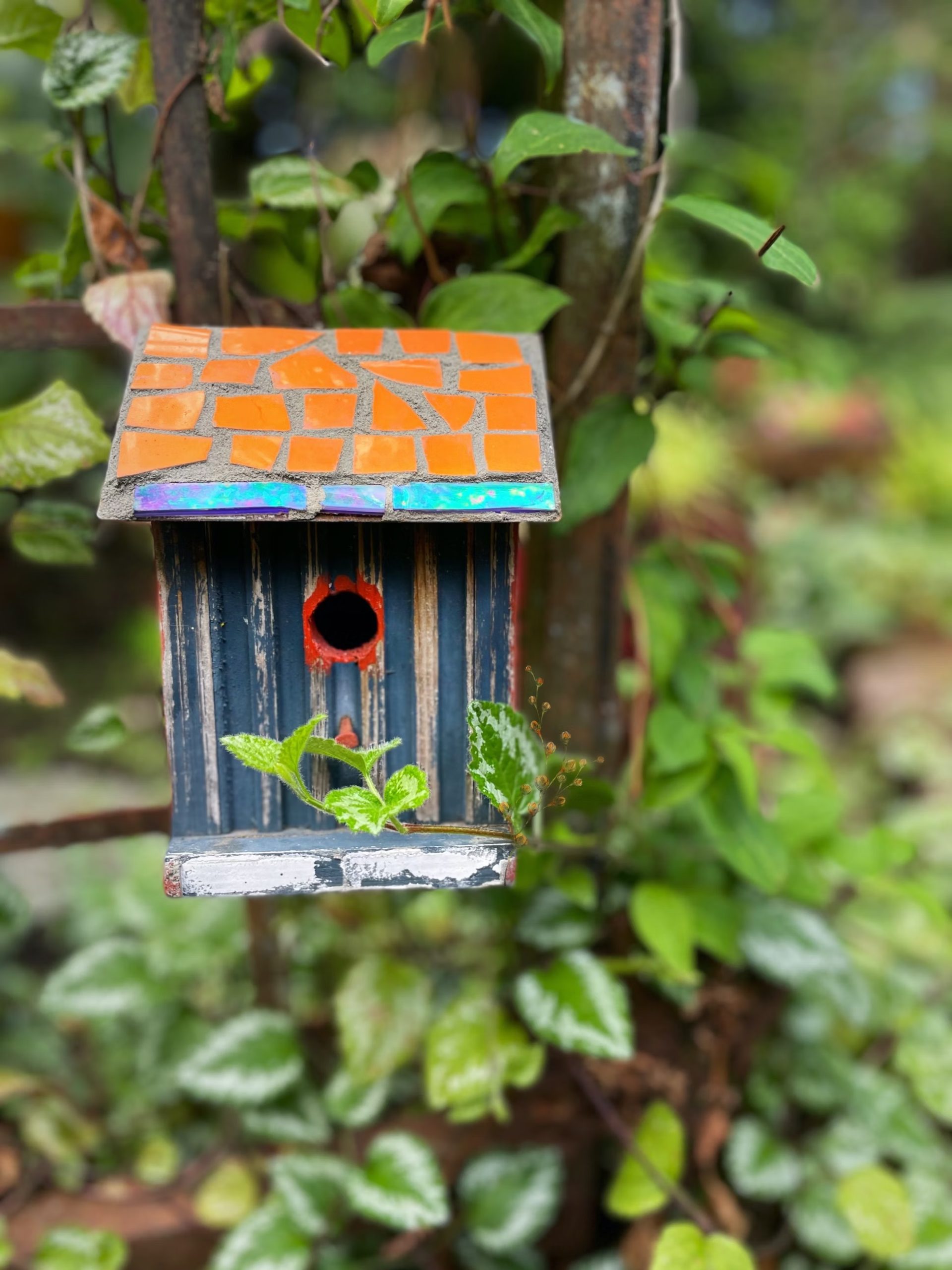
Here, if landscaping is an option, start by strategically planting trees and shrubs at a distance from your roof. As a result, you’ll discourage birds from finding convenient nest spots, especially if you have trees on your roof. In addition, consider the placement of bird feeders. While bird feeders attract our feathered friends, placing them strategically away from your roof can divert bird activity, reducing the chances of nests and droppings on your property. Finally, providing alternative nesting spots, such as birdhouses or platforms away from your home, offers birds suitable places to build nests without threatening your roof.
DIY Bird Damage Repair
Still, despite your best efforts, some damage may occur. When it does, and before seeking professional help, DIY bird damage repair can help handle more minor issues.
Begin by assessing and documenting the damage. Take note of any visible signs of nests, droppings, or structural issues. Once identified, safely remove nests and droppings using appropriate protective gear. Thus, you’ll clean the affected areas and prevent the corrosive effects of bird droppings on roofing materials.
Patching minor damages, like small holes or cracks, is key. For one, regularly inspect your roof to identify such damages. Regular inspections and proactive repairs prevent extensive damage and safeguard your home from structural concerns. Once you identify damage, use suitable materials and follow recommended procedures to ensure a secure and effective repair.
Professional Assistance
Finally, knowing when to seek professional assistance is crucial. If you notice extensive damage and persistent bird activity, or if DIY efforts prove insufficient, it’s time to call in the experts.
Professional bird removal services specialize in safely and effectively eliminating nests and droppings and deterring birds from your property. Their expertise ensures thorough removal without causing harm to the birds or your roof.
Also, seeking advice from pest control professionals can provide valuable insights into long-term prevention strategies. Pest control experts can assess the situation, identify contributing factors, and offer tailored recommendations to protect your roof from future bird-related issues.

Conclusion
In conclusion, preventing bird damage on your roof requires a keen eye, regular inspections, and proactive measures. You can create a bird-resistant environment by understanding the risks associated with bird activity, recognizing early signs of damage, and implementing preventative measures like choosing bird-friendly materials and strategic landscaping.
Remember, the key is vigilance. Regular inspections and timely interventions go a long way in maintaining a resilient roof against avian threats. So, by incorporating these strategies into your routine, you can protect your home and foster a harmonious coexistence with your feathered neighbors.