Like many other metropolitan areas, Denver faces a growing challenge: the urban heat island effect. This phenomenon occurs when urban areas experience significantly higher temperatures than their rural surroundings. With concrete jungles, asphalt roads, and densely packed buildings, cities absorb and retain heat, creating pockets of warmth. Denver’s urban heat island effect is particularly pronounced due to its geographical location and rapid urbanization. Thus, understanding how roofing choices can mitigate this issue is key, particularly for people moving from an apartment to a house.
Understanding Denver’s Urban Heat Island Effect
Denver’s urban heat island effect is a result of several factors. Firstly, the abundance of heat-absorbing materials such as concrete and asphalt in urban landscapes contributes to increased temperatures. Secondly, the lack of vegetation and green spaces limits the cooling effect of shade and evapotranspiration. Additionally, human activities like industrial processes and transportation emit heat, further exacerbating the issue. These combined factors create a microclimate that can be several degrees warmer than surrounding rural areas.
Impact on Urban Communities
The urban heat island effect poses numerous challenges for Denver’s residents and infrastructure. Higher temperatures can increase energy demand for cooling, placing strain on electricity grids and raising utility costs for residents. Moreover, extreme heat can adversely affect public health, particularly among vulnerable populations such as the elderly and low-income communities. Additionally, heat waves can worsen air quality and contribute to respiratory problems, creating additional health risks.
Make a Difference by Embracing Sustainable Living
If you’re moving from an apartment to a house in Denver, this is your chance to start fresh and contribute to the city’s sustainability efforts. First, you should reach out to Spyder Moving Denver, an experienced moving company that can help transport all your belongings in one trip. That will reduce the carbon footprint generated by your move.
Then, as you settle into your new home, you can explore sustainable living practices, like recycling, composting, and embracing renewable energy sources. By making conscious choices, you can actively participate in Denver’s journey toward a more sustainable future. In addition, you should also look into innovative roofing solutions that can mitigate the climate impact.
The Role of Roofing in Mitigating Heat
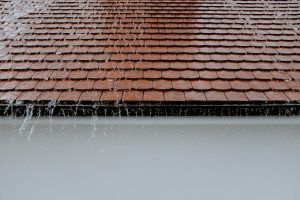
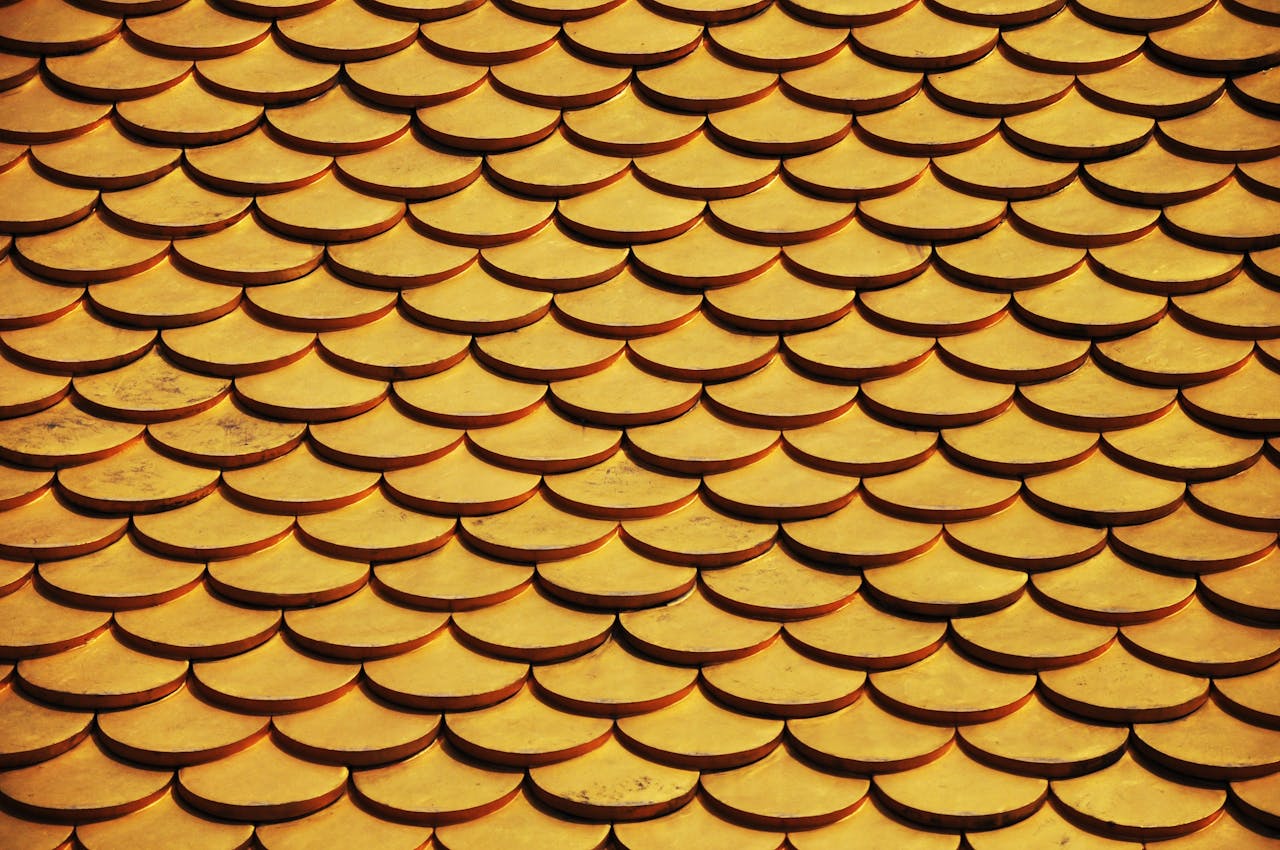
Roofing materials play a crucial role in mitigating the urban heat island effect. Traditional materials like asphalt shingles and dark-colored roofs absorb and retain heat, contributing to elevated temperatures. However, innovative roofing options offer solutions to counteract this effect. For example, cool roofs are designed to reflect sunlight and emit heat, keeping buildings cooler and reducing the heat island effect.
Cool Roofing Solutions
Materials for cool roofing come in various forms, each with its unique properties and benefits. Reflective roof coatings can be applied to existing roofs, providing a cost-effective way to enhance energy efficiency and reduce heat absorption. Alternatively, cool roof membranes, made from thermoplastic olefin (TPO) or ethylene propylene diene terpolymer (EPDM), offer durable and long-lasting solutions for new constructions or roof replacements. These materials help mitigate the urban heat island effect, extend the roof’s lifespan, and reduce cooling costs.
Green Roofing Innovations
Another promising solution for combating urban heat is adopting green roofing systems. Green roofs are covered with vegetation, creating natural insulation and reducing heat absorption. These roofs also contribute to improved air quality and carbon sequestration by absorbing carbon dioxide and producing oxygen. While initial installation costs may be higher than traditional roofing methods, the long-term benefits in energy savings and environmental impact make green roofs attractive for sustainable urban development.
Benefits Beyond Temperature Reduction
Investing in cool roofing and green roofing solutions offers benefits beyond temperature reduction. By reducing energy consumption for cooling, these technologies help lower greenhouse gas emissions and combat climate change. Improved air quality and public health outcomes contribute to a higher quality of life for residents. Additionally, the aesthetic appeal of green roofs and the potential for urban agriculture create opportunities for community enrichment and economic development.
Case Studies and Success Stories
Across the country, cities are implementing strategies to address the urban heat island effect with positive results. From New York City’s CoolRoofs program to Chicago’s Green Roof Grants, initiatives are making a tangible difference in reducing temperatures and improving urban environments. Cities like Los Angeles and Phoenix, which are closer to home, have adopted cool roofing ordinances. These demonstrate the effectiveness of policy interventions in promoting sustainable practices.
Protecting Your Home and Belongings During Roof Renovations
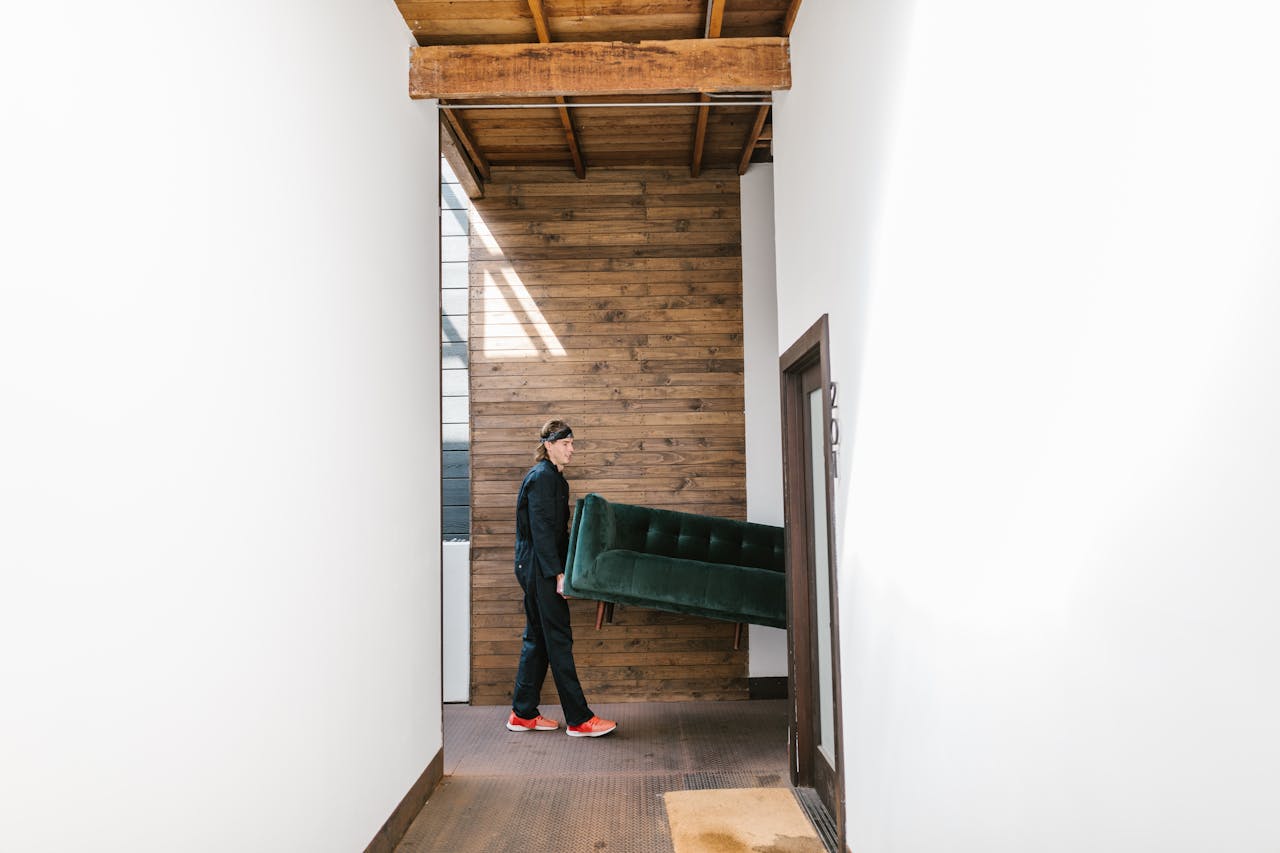
Embarking on roof renovations is crucial to enhancing your home’s energy efficiency and sustainability. Whether upgrading to cool roofing materials or installing a green roof, these improvements offer long-term benefits for your property and the environment. However, renovations can be disruptive, requiring careful planning to minimize inconvenience. Hiring furniture movers to relocate your belongings before the renovation ensures that your possessions remain protected from dust and debris. Leave your furniture in good hands and focus on overseeing the renovation project with peace of mind.
The Path Forward for Denver
As Denver continues to grow and urbanize, addressing the urban heat island effect must be a priority for policymakers, businesses, and residents alike. The city can mitigate the impacts of rising temperatures, enhance energy efficiency, and improve public health by investing in cutting-edge technologies and trends in the roofing industry. Collaborative efforts will create a more resilient and sustainable urban landscape for future generations. These efforts should be supported by effective policies and community engagement.
Conclusion: A Cool Future for Denver
In conclusion, Denver’s urban heat island effect presents significant challenges for the urban environment, but solutions are within reach. By leveraging innovative roofing technologies, embracing green infrastructure, and implementing supportive policies, the city can effectively mitigate the impacts of heat and create a more livable and sustainable future. With collective action and forward-thinking strategies, Denver can lead the way in combating climate change and building resilient communities.